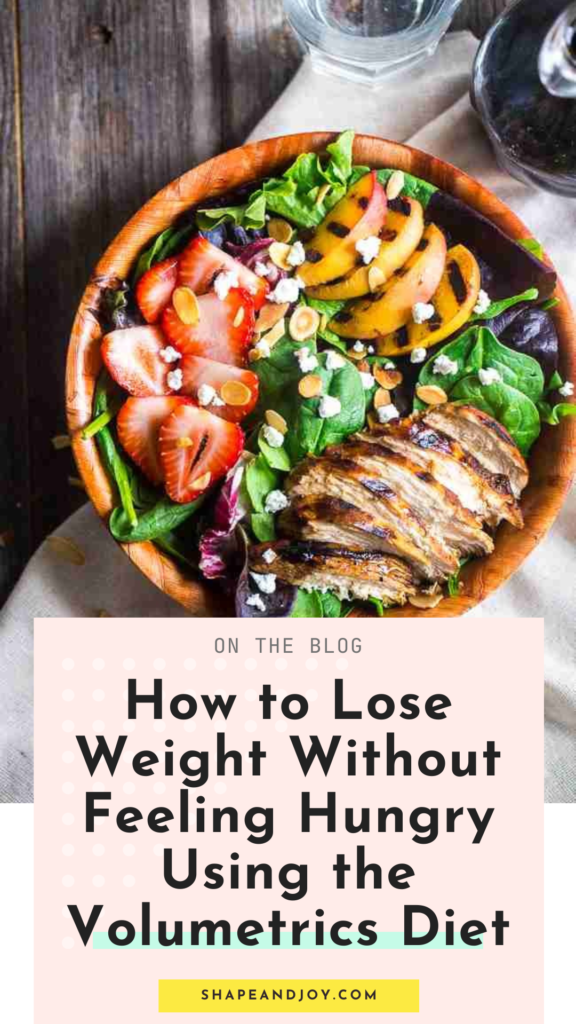
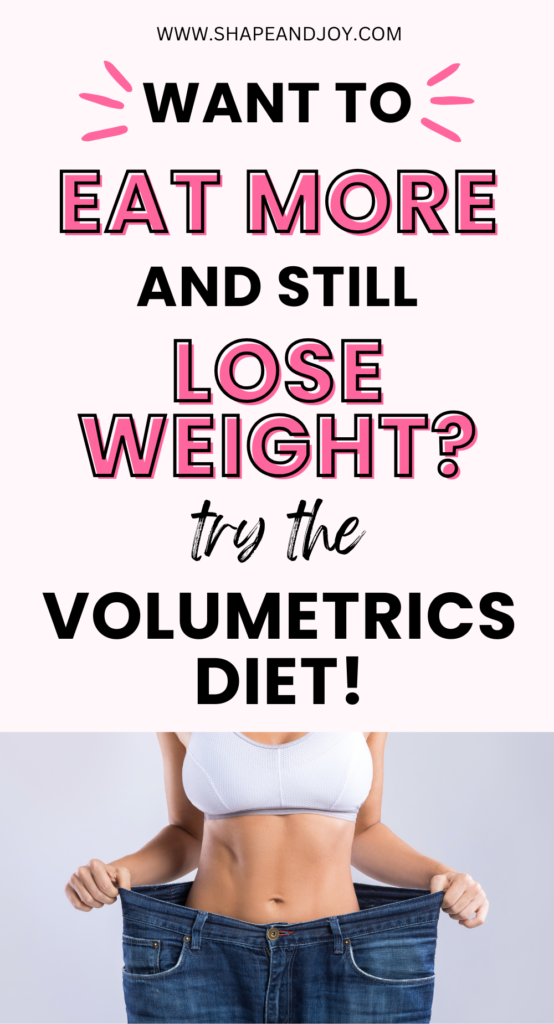
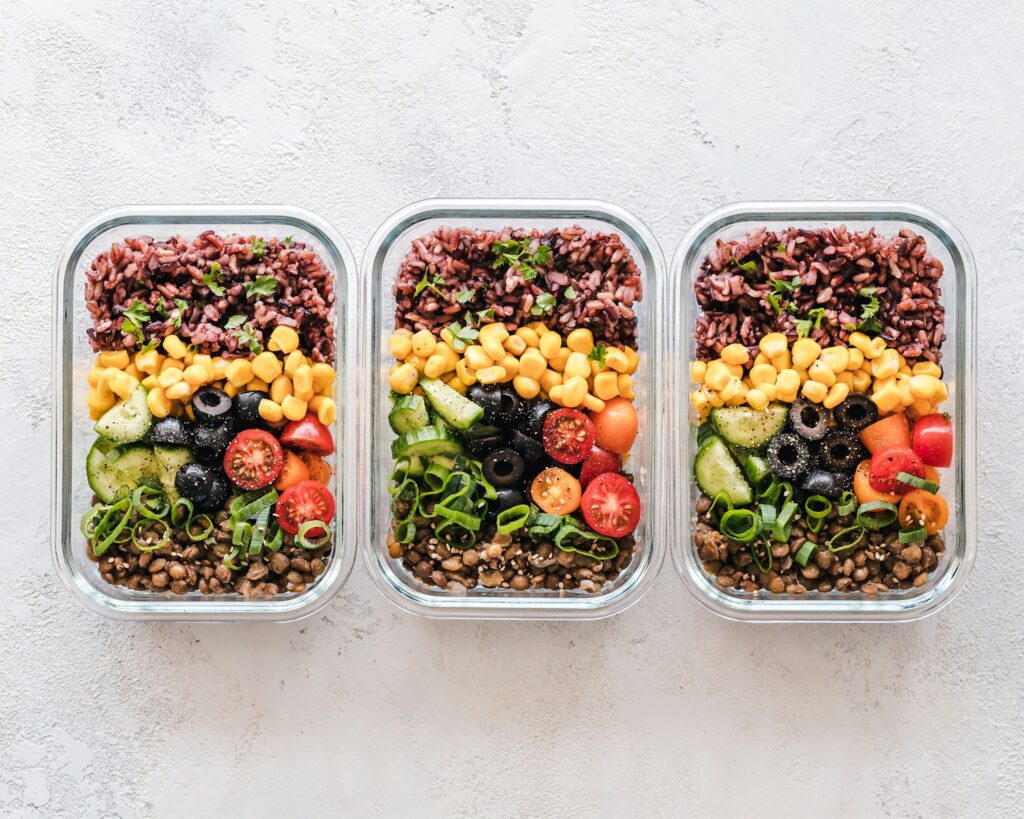
Alright, let’s talk about diets. You know, the ones that make you feel like you’ve signed up for a lifetime of sadness, nibbling on lettuce while your stomach growls loud enough to startle the dog.But what if I told you there’s a way to eat more food—yes, MORE—and still lose weight? No, this isn’t some dodgy “drink this magic tea” nonsense. It’s called the Volumetrics Diet (otherwise simply known as “Volume Eating”), and it’s based on actual science (not just wishful thinking).
Sound too good to be true? I thought so too. But hear me out, because this way of eating could change everything.
So, in this post, I’ll cover:
What the Volumetrics Diet is (and why it works)
How you can eat more and still lose weight with High Volume Eating
Created by Dr Barbara Rolls, the Volumetrics Diet is based on a simple but genius concept: not all calories are created equal.
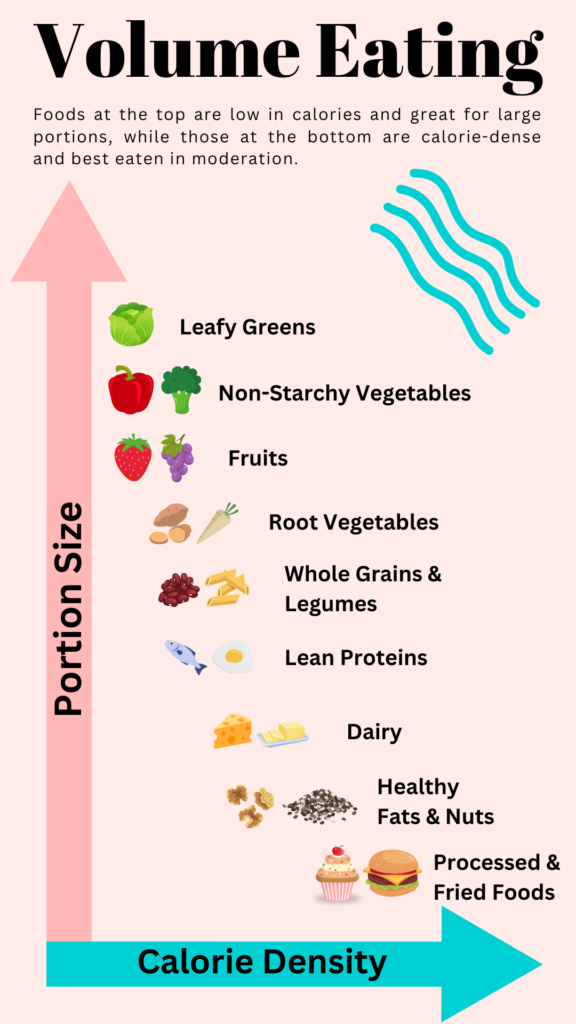
Ever noticed how you can inhale a chocolate bar in 30 seconds flat, but a massive bowl of salad takes forever to eat? That’s because some foods are high-volume low-calorie while others are small but calorific.
Volume Eating is all about filling your plate with foods that are high in volume but low in calories, so you feel satisfied while naturally eating fewer calories.
No starving, no weird meal replacements, just proper, delicious food.
Basically, you’re hacking your hunger signals so your body thinks it’s had a feast—without blowing your calorie budget.
How Does It Help You Lose Weight?
Right, so let’s break down the magic behind High Volume Eating and why it works so well:
High Volume Meals take up space in your stomach – More food, less hunger.
Low-Calorie High Volume foods = more food for fewer calories – You could eat a tiny chocolate bar for 200 calories, or a whole plate of roasted veg, chicken, and rice for the same amount. Your call.
Your brain registers fullness based on food weight, not calorie density – Meaning you can “trick” yourself into feeling full by eating high quantity low-calorie foods.
Think of your stomach like a suitcase.
You could fill it with heavy bricks (high-calorie foods) and still feel like there’s space left, or you could stuff it with fluffy clothes (high-volume low-calorie foods) and feel like it’s ready to burst.
The key? Pick foods that give you the most bang for your calorie buck.
If you're tired of all the nutrition BS out there, The Science of Nutrition is a must-read. It breaks down myths, keeps it real, and actually helps you understand food without the fluff. Perfect if you want to make informed choices without drowning in nonsense. Highly recommend!
I earn a commission if you make a purchase, at no additional cost to you. It's one of the ways I support my blog 🙂
03/05/2026 01:12 am GMT
How to Start the Volumetrics Diet Today
No faff, no complicated meal plans—just simple swaps and smart choices. Here’s how to ease into Volume Eating Meals without feeling overwhelmed:
Fill at least half your plate with veggies – The more colourful, the better!
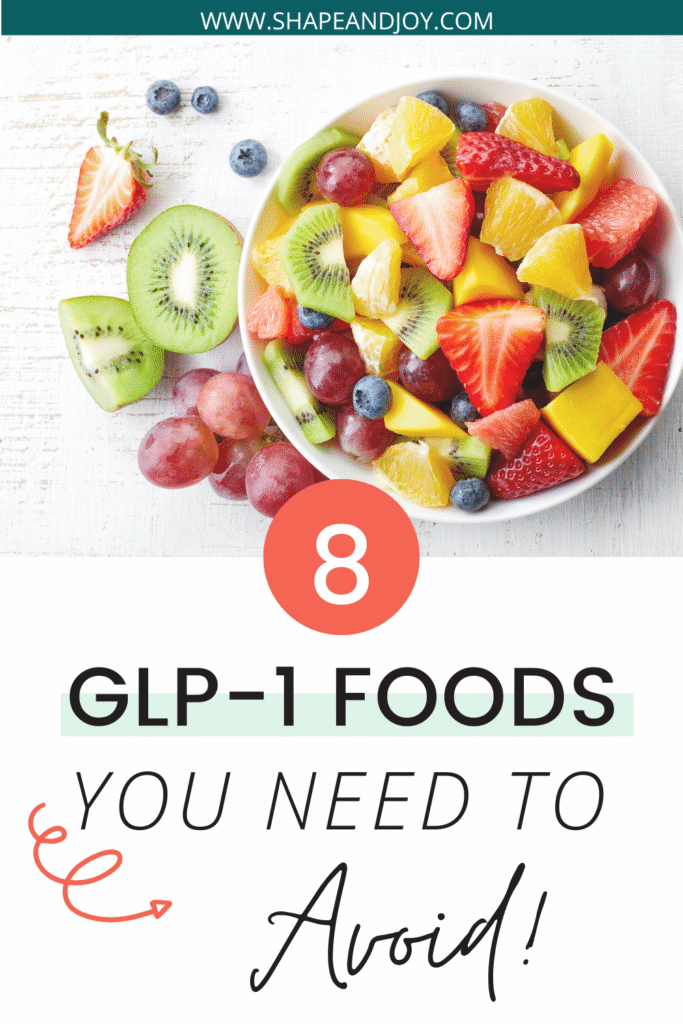
Swap calorie-dense foods for Volume Eating Meal Plan options – Think soup instead of creamy pasta, or a massive fruit salad instead of a chocolate bar.
Start meals with a broth-based soup or a big salad – It’ll take up space in your stomach, meaning you’ll naturally eat less of the higher-calorie stuff.
Hydrate, hydrate, hydrate! – Water helps with satiety, so drink up (and no, Pepsi Max doesn’t count – unfortunately).
The Volumetrics Diet isn’t about restriction—it’s about playing it smart. Instead of cutting out foods you love, you’re just swapping them for ones that will actually keep you full.
So if you’re sick of feeling like you have to suffer to lose weight, give this a go. It’s not about eating less—it’s about eating better and feeling satisfied while doing it.
Now, go forth and eat like a queen (or king), while still smashing your goals.
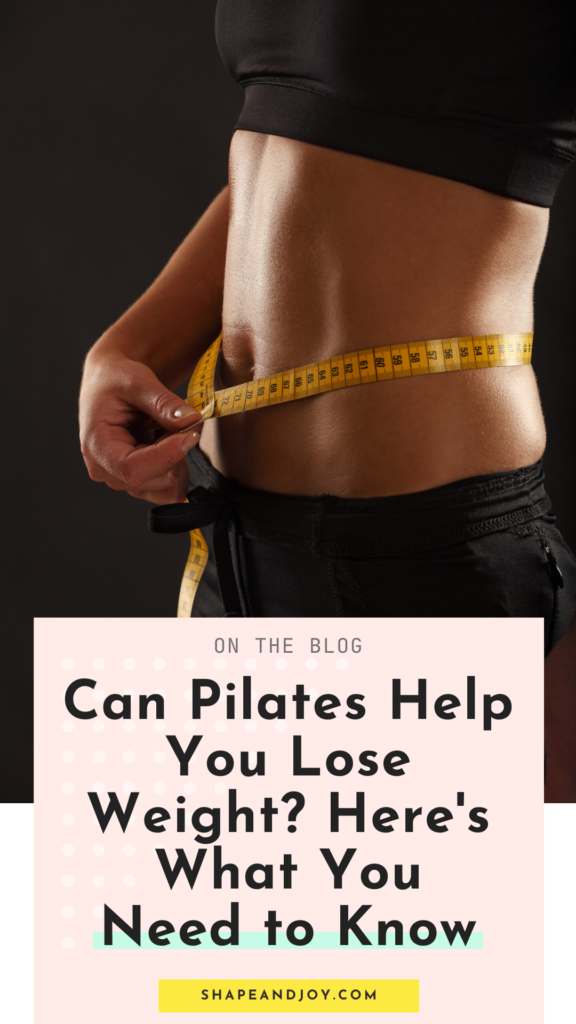
We’ve explored how Pilates transforms your mind and body in the last post (check it out here, if you haven’t already)—but let’s tackle the big question on everyone’s lips: Can Pilates help you lose weight?
Whether you’re eyeing a long-term weight loss journey or just wondering if it’s worth swapping your current workout for a Pilates workout routine, the answer isn’t as straightforward as you might think.
So, if you’re here because:
You want a fat-burning workout that won’t leave you gasping for air
You’d rather exercise at home than battle the gym bros for space
You want a sustainable plan that doesn’t involve punishing yourself
You’re sick of your arms and legs feeling like soggy noodles
Then, my friend, Pilates is about to become your new best friend.
Look, Pilates isn’t the high-impact sweat-fest that HIIT is, but that doesn’t mean it won’t help you burn fat, build strength, and sculpt your body.
In fact, it’s one of the best ways to tone up without wrecking your joints.
1. Muscle = More Calories Burned
Pilates builds lean muscle, especially in your arms, legs, and core. And what does more muscle mean? A faster metabolism.
Even when you’re binge-watching Bake Off, your body will be burning more calories at rest—which is basically the dream, right?
2. Fat-Burning Without the Impact
You don’t need to jump around like a lunatic to burn fat. Pilates gets deep into those muscles, making them work harder for longer, which boosts fat loss over time.
3. Stress Less, Burn More
Anxiety and stress send cortisol levels soaring, and cortisol = stubborn belly fat. Pilates helps calm your nervous system, meaning less stress, better sleep, and a happier metabolism.
💡 Pro Tip: Want even more fat-burning power? Add in a daily walk—Pilates and walking go together like tea and biscuits.
Why Nutrition is the Real MVP of Weight Loss
I hate to break it to you, but even the best Pilates plan won’t out-train a diet of takeaways and biscuits.
Pilates can sculpt your arms and legs to perfection, but if you’re smashing six packets of crisps a day, it’s not gonna work miracles.
1. Weight Loss is 80% Food, 20% Exercise
You could be doing wall Pilates every day, but if you’re eating more calories then you’re burning, the weight won’t shift.
2. Balanced Eating = Better Energy
Fill your plate with:
Lean proteins (chicken, tofu, fish) to keep you full
Healthy fats (avocado, nuts, olive oil) for hormone balance
Complex carbs (quinoa, sweet potatoes, brown rice) for sustained energy
Loads of veggies (because, obviously)
3. Hydration is Key
Drink your water! Dehydration mimics hunger, so if you’re constantly feeling snacky, you might just be thirsty.
The Sneaky Ways Pilates Helps You Lose Weight (Without You Noticing)
1. It’s Easy to Stick With
Because it’s low-impact and actually fun, Pilates doesn’t feel like punishment. That means you’re more likely to keep doing it, which is half the battle when it comes to weight loss.
2. It Builds Confidence
Ever nailed a wall Pilates move that you never thought you could do? That buzz carries over into every part of your life.
Suddenly, you feel stronger, more capable, and more in control—which means you’re more likely to stay active and make healthier choices.
3. It Gets You Moving More
Pilates doesn’t stop when the workout ends. It improves posture, mobility, and strength, which means you’re more active throughout the day—without even thinking about it.
📌 Pin this for later! ⬇
Types of Pilates for Fat Loss
1. Mat Pilates
Brilliant for home workouts, focusing on core strength, flexibility, and toning. Perfect if you want a no-fuss, effective plan.
2. Reformer Pilates
If you’ve got access to a reformer machine, this takes things up a notch. It’s great for sculpting legs, arms, and core while burning more calories.
3. Wall Pilates
One of the best options for people who don’t have much space at home. Uses body weight and the wall for resistance—absolute game-changer.
Fat-Burning Pilates Routine (30 Minutes)
If you’re ready to fire up your metabolism and tone your arms, legs, and core, try this 30-minute Pilates routine designed for maximum fat burning. No fancy equipment needed—just a mat, a wall, and your bodyweight!
Warm-Up (5 Minutes)
Standing Roll-Downs (8 reps) – Loosens up the spine and improves flexibility.
Cat-Cow Stretch (8 reps) – Warms up the back and preps the core.
Side-to-Side Twists (10 reps) – Activates the obliques and improves mobility.
Main Workout (20 Minutes)
Core & Fat-Burning Boost
The Hundred (1 minute) – Classic core move to fire up the abs and boost circulation.
Wall Pilates Leg Lifts (10 reps per leg) – Strengthens the lower body and tones the legs.
Plank to Knee Tucks (12 reps) – Works the arms, core, and legs while keeping the heart rate up.
Arms & Legs Sculpting
Pilates Push-Ups (10 reps) – Strengthens the arms and chest without bulking up.
Wall Squat Hold (30 seconds) – A killer move for the legs and glutes.
Side-Lying Leg Circles (10 reps per leg) – Tightens and tones the thighs and glutes.
Fat-Burning Flow
Bridge Lifts (15 reps) – Engages the glutes and core for a full lower-body burn.
Roll-Up to Standing (8 reps) – Combines strength and flexibility for full-body engagement.
Bicycle Crunches (20 reps) – A dynamic move to shred the abs and burn calories.
Cool Down (5 Minutes)
Seated Forward Fold (30 seconds) – Stretches out the hamstrings and back.
Child’s Pose (30 seconds) – Relaxes the spine and hips.
Deep Breathing (1 minute) – Helps lower cortisol levels and promote mental health benefits.
More Pilates Tips & Workouts You’ll Love
Ready to take your Pilates journey to the next level? Check out these must-read posts for beginner-friendly workouts, expert tips, and game-changing Pilates advice to help you build strength, improve flexibility, and stay consistent!
Here’s the real talk: Pilates won’t torch fat like a HIIT class, but it will help you build strength, boost your metabolism, and feel amazing in your own skin.
If you:
Eat well and stay consistent
Move daily
Reduce stress (bye-bye, cortisol spikes)
Stick with Pilates long enough to see changes
Then yes, Pilates can absolutely help you lose weight—and keep it off.
💡 Final Pro Tip: Make Pilates a regular part of your routine, and you’ll see results that last. No crash diets. No fads. Just a strong, healthy, confident you.
Now, go roll out your Pilates mat, grab a water bottle, and get to it. You’ve got this.
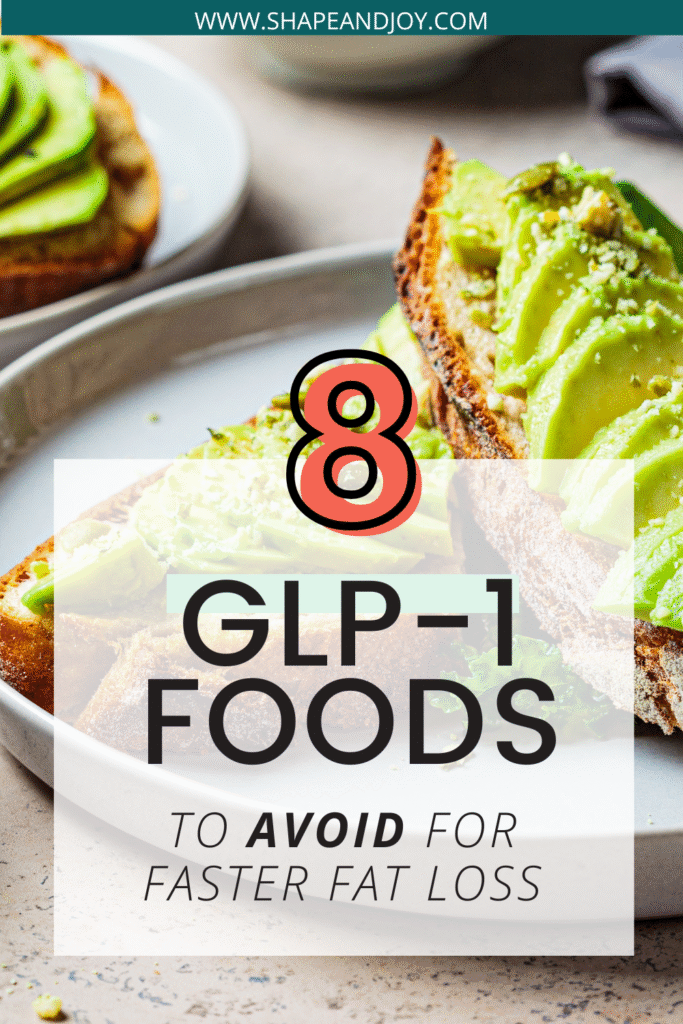
So, you’re on GLP-1 medications—whether that’s Ozempic, Wegovy, or another semaglutide—and you’re smashing it! But then, bam: a dodgy stomach, bloating, or feeling like you’ve eaten a bowling ball. Sound familiar? That’s where knowing what NOT to eat comes in handy.
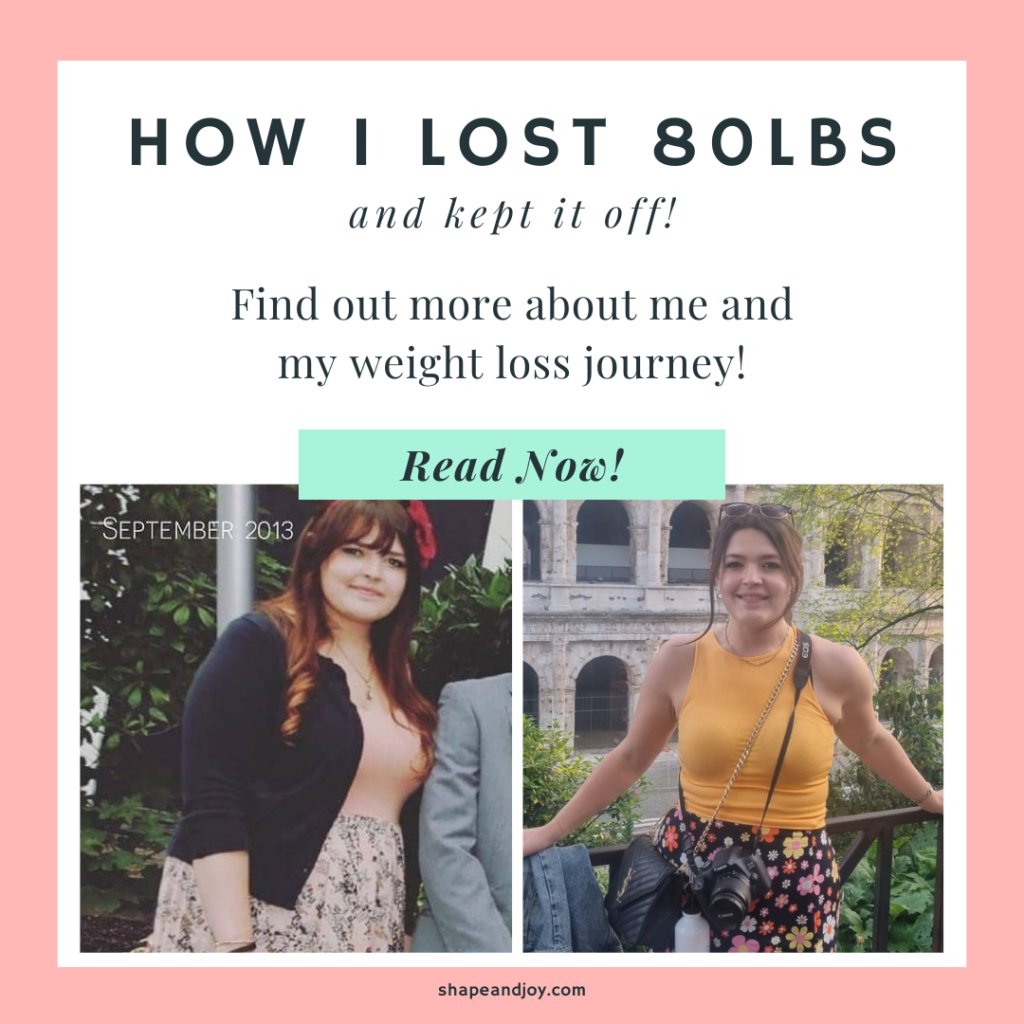
Before we dive into it, here’s a quick confession: I haven’t taken GLP-1 medications myself. I lost 80lbs by adopting small, sustainable healthy habits that I could stick to long-term. But I’ve spent a lot of time researching GLP-1 medications to stay up to date with the latest weight loss techniques.
Whether it’s a traditional approach or the latest science-backed methods, I’m all about helping you find what works for you.
And here’s something I’ve learned along the way: no food is completely off-limits. Yep, you heard me! Life is too short to say “never” to your favourite treats.
The key is moderation. If you fancy chips or a slice of cake now and then, go for it! Just keep it balanced, and you’ll be golden.
This isn’t about restriction—it’s about learning what helps you thrive while avoiding those “ugh, why did I eat that?” moments.
Look, I love chips as much as the next person, but those deep-fried beauties can turn your GLP-1 journey into a greasy nightmare. High-fat, greasy foods are hard to digest, especially when medications like Ozempic slow your stomach emptying.
The result? Nausea, bloating, and a whole lot of regret.
Examples to dodge: Fried chicken, takeaway fish and chips, anything slathered in butter.
Better options: Grilled salmon, roasted veggies with a drizzle of olive oil, or air-fried chips if you’re feeling fancy. These make fab additions to your GLP-1 diet meals!
Pro Tip: If you’re craving a cheeky portion of chips, have a small one and enjoy every bite. It’s all about balance, not banishment!
2. High-Sugar, Processed Foods: The Sneaky Saboteurs
That cheeky slice of cake might seem harmless, but high-sugar foods can spike your blood sugar and leave you feeling knackered.
GLP-1 meds already help balance your blood sugar, so piling on the sweets is like asking for a rollercoaster ride you didn’t queue for.
Examples to dodge: Doughnuts, fizzy drinks, sugar-loaded cereals.
Better options: Fresh berries with Greek yoghurt, or a homemade protein ball. Delicious and effective for your Wegovy diet.
Pro Tip: If cake is calling your name, pair a smaller slice with some protein or healthy fats to keep your energy steady. Win-win!
3. Carbonated Drinks: The Bloat Monsters
Fancy a fizzy drink? Hold that thought. Carbonated beverages can leave you bloated and uncomfortable—especially when your GLP-1 meds already slow digestion.
Bloating plus nausea? No thanks.
Examples to dodge: Fizzy sodas, sparkling water (yes, even the posh ones).
Better options: Still water with a splash of lemon or herbal teas. Hydration never tasted so good, eh?
Pro Tip: Love a fizzy treat? Enjoy it sparingly and see how your body reacts—it might be worth it for a little sparkle in your day!
4. Large, Heavy Meals: The Overload
We’ve all been there—a giant roast dinner that leaves you feeling like you need a lie-down. But here’s the thing: GLP-1 medications slow gastric emptying, so big meals can feel extra heavy.
Portion control is your new best friend.
Examples to dodge: Oversized pasta bowls, three-course meals that’d feed a small village.
Better options: Stick to a “5 meals a day plan” with smaller portions, like grilled chicken and roasted veg for a semaglutide dinner idea. Keeps you full without the food coma!
Pro Tip: Love a hearty meal? Split it up into smaller portions and savour it across the day. No deprivation, just clever planning.
White bread, pastries, and plain pasta are sneaky little devils. They give you a quick energy hit but leave you ravenous soon after—exactly what your GLP-1 meds are trying to avoid.
Examples to dodge: White toast, croissants, and instant noodles.
Better options: Whole grains like quinoa or brown rice, paired with lean protein. Perfect for low-GI meal prep that fuels your day!
Pro Tip: Love white bread? Pair it with protein or swap it out for sourdough—it’s a happy medium that’s kinder to your energy levels.
Your GLP-1 Game Plan Starts Here
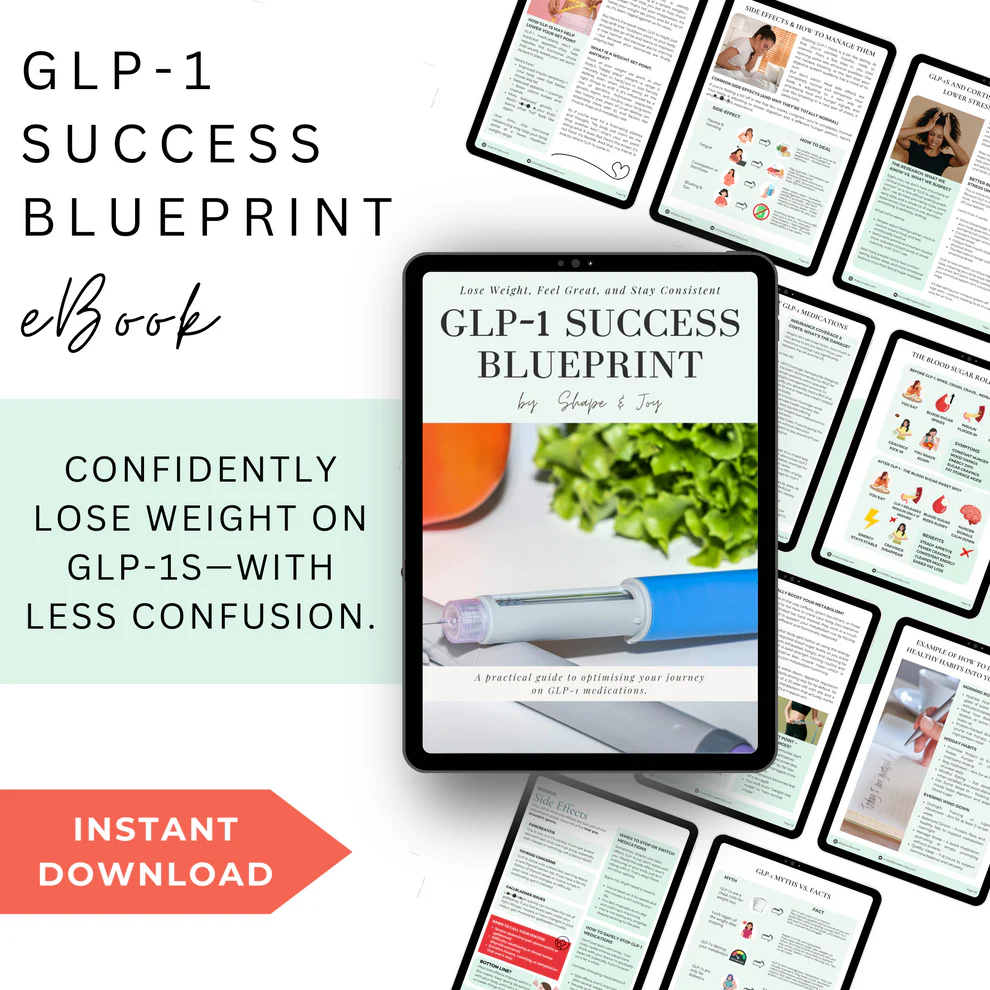
Feeling a bit lost on your GLP-1 journey? Whether you’re just starting out or deep into your dose increases, the GLP-1 Success Blueprint is your practical, no-fluff guide to navigating weight loss meds like Mounjaro, Zepbound, or Wegovy with confidence.
This isn’t another generic ebook. It’s a full toolkit designed to help you feel strong, informed, and in control, without the overwhelm.
Inside, you’ll get:
GLP-1 Meds 101: Understand how they work, what to expect, and how each med compares (minus the jargon)
Nutrition Guidance: Learn how to eat for fat loss and muscle retention, even when your appetite is low
Workout Support: Discover the best ways to move your body without burning out
6-Week Action Plan: Simple daily steps and healthy habit examples to follow at your pace
Mindset & Motivation Tips: Stay consistent even when your drive dips
Red Flag Checklist: Know what’s normal, what’s not, and when to seek support
Bonus: Myths & FAQs – Bust the most common GLP-1 myths and get real answers
Digital download only – use it on your phone, tablet, or print it out to keep by your side.
Ready to ditch the guesswork and actually feel good on your meds?
At the end of the day, no food is completely off-limits. Life is about enjoying your meals while on Wegovy, Ozempic, or any GLP-1 medication—not living in fear of your favourite treats.
With a bit of moderation and clever swaps, you can still enjoy all the foods you love while staying on track.
So go on, enjoy those GLP-1-friendly meals, experiment with recipes for Wegovy or Ozempic diets, and make choices that make you feel amazing.
Next Steps:
Now that you know what to avoid, let’s focus on what to eat.
Read:The Ultimate GLP-1 Meal Plan for a full week of easy, protein-packed, nausea-friendly meals designed to help you stay consistent — even on low appetite days
Or dive into the Side Effects & Troubleshooting – Solutions That Work to make your journey easier.
You’re doing brilliantly—and I’m cheering you on every step of the way!
Ever feel like you’re trapped in a never-ending cycle of restriction, only to end up elbow-deep in a pizza by Friday night? Whether it’s eating at night or going way too hard on a “1200 calories” plan, we’ve all been there.
The problem?
It’s that classic binge-restrict cycle. You start out with the best intentions, cutting out carbs, and focusing on diet and nutrition like it’s your new full-time job, but by the end of the week, you’re starving and losing control.
All that hard work feels wasted, and you’re back to square one.
I get it—it feels impossible to keep that healthy weight when you’re caught in this cycle.
But here’s the thing—it’s not just about willpower, and it’s not your fault. Weight loss psychology is a tricky business, but I’ve been there and come out the other side.
I know exactly what it’s like to try losing 50 pounds or more, thinking “this time will be different,” only to face those same struggles again. But guess what?
You can do this.
Breaking the binge-restrict cycle for good is possible.
No more crash dieting, no more feeling guilty about eating at night or swearing off all the foods you love.
So, in this post, I’ll discuss:
Why the binge-restrict cycle happens (and why it’s so common)
Key weight loss psychology principles to break free from it
Practical losing weight tips to rebuild a balanced relationship with food
How to enjoy food without feeling guilty (yes, even carbs!)
Essential mindset shifts
Real-life strategies I used to kick the cycle and start losing weight the healthy way
Breaking this cycle doesn’t mean swearing off your favourite foods or going on extreme diets. You can eat more than 1200 calories a day, and stop following the latest diet & exercise trends.
It means finding balance, enjoying life without obsession, and embracing healthy weight management, not punishment.
Let’s get into it.
Why the Binge-Restrict Cycle is a Total Nightmare
Let’s face it—diets that promise to help you lose belly fat or drop weight fast often just lead to burnout. When you restrict too much, you start craving everything you’ve cut out.
This cycle isn’t just a physical one; it’s a weight loss psychology trap that keeps you swinging between deprivation and overindulgence.
Before you know it, you’re knee-deep in biscuits and crisps at 2 a.m., wondering why it’s happening again.
I’ve been there.
At one point, I thought 100% clean eating was the way to go—strict and no room for error. I followed every bit of advice out there about diet and nutrition, swearing off anything remotely indulgent.
But what happened?
Every time I restricted for too long, I’d end up caving and eating a whole large pizza in one sitting.
The guilt? Oh, it was real. That’s the downside of those so-called “losing weight tips” that focus solely on restriction, ignoring weight loss psychology.
One day, I realised I wasn’t happy with the constant battle. I wasn’t living; I was just bouncing between restriction and binging.
That’s when I decided to stop aiming for perfection and start focusing on balance.
I allowed myself to enjoy food—yes, even carbs—and the world didn’t end!
Instead of focusing on “bad” vs. “good” foods, I embraced moderation. And trust me, life got a whole lot better.
I stopped obsessing over losing weight and started focusing on how I felt.
I realised that food is just food, and finding the right nutrition plan was more important than rigid diets. This shift in weight loss psychology was a game-changer.
10 Powerful Mindset Shifts to Break the Cycle for Good
Alright, let’s talk mindset. Breaking the binge-restrict cycle isn’t just about what you’re eating; it’s about who you believe you are and how you approach the entire journey.
So, let’s dive into some key shifts that’ll help you break free from that exhausting cycle for good, using weight loss psychology principles to guide you.
Identity and Self-Image
Who do you believe you are? Your identity plays a massive role in your actions. If you keep telling yourself, “I’m someone who struggles with losing weight,” guess what?
You’ll subconsciously make choices that reinforce that belief—like reaching for the biscuits after a stressful day.
Shift your mindset. Instead, start seeing yourself as a person who takes care of your body, enjoys healthy habits, and makes consistent progress.
Trust me, when you start believing you’re someone who thrives, everything changes.
Motivation vs. Discipline
Here’s a hard truth—motivation is unreliable. It comes and goes faster than a British summer.
But discipline? That’s what keeps you going when motivation has packed its bags and gone on holiday.
Build habits, not reliance on motivation. Focus on creating small, sustainable habits that’ll stick, no matter how unmotivated you feel. It’s the little things you do consistently that will get you to your goals.
Emotional Eating
Stress, boredom, sadness, happiness—food often becomes our go-to comfort blanket. We’ve all been there. But if you’re turning to food every time your emotions spike, that’s a slippery slope.
Recognise your emotional triggers and develop coping strategies. Whether it’s mindfulness, journaling, or engaging in non-food-related activities, finding new ways to deal with your emotions will help you break the cycle of emotional eating.
Emotional eating can feel tough to manage, but this guide offers actionable strategies to help you handle it without guilt.
All-Or-Nothing Thinking
Perfectionism leads to burnout—every single time. If you think you need to be “perfect” on your journey, you’re setting yourself up for failure.
One slip-up (hello, pizza night) doesn’t undo all your progress, but an all-or-nothing mindset will convince you it does.
Aim for balance, not perfection. Sustainable weight loss is about consistency, not extremes.
It’s okay to have a treat or skip a workout occasionally, as long as you keep going.
Self-Sabotage and Fear of Success
Now here’s a juicy one—self-sabotage. Sometimes, we don’t even realise we’re doing it, but that fear of change is real. Maybe you’re afraid of what success might mean—attention, new expectations, or stepping out of your comfort zone.
Recognise those self-sabotage patterns. Whether it’s skipping workouts, overindulging, or the classic “I’ll start fresh on Monday,” recognising your patterns is the first step to breaking them.
Rewarding Yourself with Food
Using food as a reward is a tricky business. Sure, treating yourself is great, but rewarding yourself with food can reinforce unhealthy patterns, especially if it’s a regular thing.
Find non-food rewards. Treat yourself to something that doesn’t derail your progress, like new workout gear, a massage, or a fun day out.
Nutrition doesn’t need to be complicated. These easy tips will help you build a balanced diet without the overwhelm.
Goal-Setting and Visualisation
Don’t get stuck focusing on the end goal—like “I want to lose 20lbs.” Instead, break it down into actionable steps you can start today. Set realistic, process-based goals like “I will walk for 30 minutes daily” or “I will meal prep my lunches for the week.”
Visualise your success. Spend time imagining yourself achieving your goals, but also visualise the process. What does your day-to-day look like when you’re living that healthy lifestyle? It’s a game-changer.
Ready to set goals that stick? This guide breaks down goal-setting into practical, achievable steps.
Developing a Growth Mindset
If you’ve got a fixed mindset—thinking, “I’ll never lose weight; it’s too hard”—it’s time to flip the script. A growth mindset says, “I can learn how to get better at this.”
Embrace challenges as learning opportunities. Instead of seeing obstacles as failures, view them as chances to improve and grow. You’re not stuck—you’re evolving.
Mindful Eating
Pay attention to your hunger and fullness cues. Learn to eat when you’re genuinely hungry and stop when you’re satisfied—not stuffed. Too often, we eat out of habit or emotion, not because we’re actually hungry.
Practice mindfulness at meals. Slow down, savour the flavours, and enjoy the experience of eating. It makes a world of difference.
Patience and Long-Term Thinking
This is a big one for me, and Shape & Joy was born from this premise – you HAVE to find joy in the journey. Because let’s be real—weight loss takes time.
It’s so easy to get frustrated when you don’t see results straight away, but slow and steady progress is the key to sustainability.
Celebrate non-scale victories, like improvements in your energy, mood, fitness, and overall health. It’s not just about the number on the scale—it’s about how you feel and how you’re transforming your life.
New to sustainable weight loss? Avoid common pitfalls by learning the top mistakes beginners make—and save yourself the frustration!
Actionable Steps
Let’s get into the actionable part. Breaking the binge-restrict cycle is 100% doable, and here’s how:
Ditch the “Good” vs. “Bad” Food Mentality Diet and nutrition should be about balance, not punishment. Labelling foods as “bad” just sets you up for guilt. Instead, focus on overall nutrition, enjoying all foods in moderation. One indulgent meal won’t ruin your progress.
Eat Regularly to Avoid Binging Skipping meals or sticking to rigid plans with only 1200 calories can backfire big time. If you’re starving, you’re going to binge. Simple as that. Instead, focus on eating regular, balanced meals that keep you satisfied. This helps prevent those late-night binges where you’re eating at night out of sheer hunger.
Reintroduce Forbidden Foods Slowly Start including the foods you’ve been banning. Bring them back in small, manageable amounts, and watch them lose their power over you. This is the key to finding balance and losing weight without guilt.
Stop Aiming for Perfection No one is perfect—not even the people who make bodybuilding or strict “lose belly fat” plans look easy. The truth is, aiming for 100% all the time is unrealistic. It’s about balance. Allow yourself to enjoy that slice of cake or cheeky takeaway now and then without going off the rails.
Move Your Body for Joy, Not Punishment Exercise shouldn’t be about “working off” what you ate. It’s about feeling good and moving in ways you enjoy. Whether it’s walking, dancing, or weightlifting, make it fun. This will help you stay consistent and avoid seeing exercise as a chore.
Weight Loss Psychology 101: Conclusion
Listen, breaking the binge-restrict cycle isn’t easy, but it’s so worth it. You deserve to have a healthy relationship with food that doesn’t leave you feeling guilty, restricted, or out of control. With the right mindset and a little patience, you’ll find your balance.
So here’s the plan: stop chasing the extreme diets and promises. Instead, start focusing on nutrition, consistency, joyful movement and treating yourself with kindness. I’m cheering you on every step of the way!
And remember, you can do this. 💪
Further Resources
Studies
Restricting Leads to Binging: Studies have shown that periods of restriction followed by refeeding—especially on those “forbidden” tasty foods—can lead to persistent binge behaviours. This cycle has been found to mirror patterns in bulimia nervosa, showing just how much of a biological and psychological impact restriction can have (Hagan & Moss, 1997).
The Mental Toll of Restriction: Research shows that when you restrict yourself, it’s easy to become totally preoccupied with food, feel more emotional, and eventually end up bingeing as soon as you loosen the reins. So, rather than diving into strict diets, a balanced approach is key if you want to steer clear of these negative mental side effects (Polivy, 1996).
Stress + Restriction = Binge Triggers: Studies have shown that stress combined with past dieting makes you even more prone to binge episodes, especially when those foods you’ve been craving are finally on the menu. This pattern might sound familiar if you’ve ever found yourself craving a takeaway after a tough week. It’s not just you; it’s how stress and restriction interact (Hagan et al., 2002).
Your Brain’s Reaction to Calorie Restriction: The research found that calorie restriction cranks up activity in the brain’s reward and motivation areas, which means you’re more likely to find food irresistible after days of dieting. No wonder sticking to extreme diets often feels impossible! (Stice, Burger, & Yokum, 2013).
The average Victoria’s Secret diet sounds glamorous but feels more like a quick-fix fantasy.
Yep, we’ve all seen those “Model Diet Plans” that claim to be the secret to glowing health.
Spoiler alert: they’re usually built around starvation, bland food, and the kind of rigid restrictions that leave you dreaming about chocolate cake by lunchtime.
But here’s the truth: real people need real food.
You want a plan that fuels your body, keeps you feeling satisfied, and doesn’t have you nibbling on celery sticks just because that’s what the “models” eat.
And that’s where the best diet plan for real life comes in—a plan that’s balanced, enjoyable, and leaves room for the foods you love.
Forget the Victoria’s Secret Angel diet meal plan or trying to live up to any unrealistic model food plan. Let’s talk about a meal plan that works in the real world, one with delicious meals that you look forward to.
If you’re ready to ditch diet culture and enjoy some healthy carbs and whole foods, let’s get started.
The Reality Check: Why The “Model Diet” Isn’t Practical
Alright, let’s have an honest chat about those Victoria’s Secret diet trends. They sound fancy but are as unrealistic as they come.
The Victoria’s Secret Angel diet might work for a model’s photoshoot prep, but it’s not sustainable for your everyday life, especially if you’re juggling work, family, or just… real life.
The problem with these model diet plans is that they’re often built around extreme restrictions, cutting out carbs, fats, and basically anything that brings joy.
For us mere mortals, that just doesn’t work long-term. In reality, food is meant to be enjoyed, not just tolerated.
So, here’s the plan: we’re focusing on an enjoyable, sustainable approach, not the model fantasy.
You don’t need to follow a VS Angel diet or a Kate Moss diet plan to be healthy. In fact, you’re far better off with meals that fuel you up, make you feel strong, and fit easily into your day.
Speaking of common pitfalls, if you’re new to healthier eating habits, it’s easy to fall into certain traps that can derail your progress. From over-restriction to relying on motivation alone, here are 5 Weight Loss Mistakes Beginners Make that you’ll want to avoid for long-term success.
Building A Real-Life, Sustainable Meal Plan
1. Eat What You Enjoy (And Ditch The Guilt)
The first rule of a real meal plan? You’ve got to actually like what you’re eating! No “I’ll just tolerate this for the sake of my diet” nonsense.
Find foods that make you feel satisfied and energised, whether that’s a comforting bowl of pasta or a hearty salad.
A sustainable diet doesn’t mean forcing yourself into a model food plan that feels like a chore.
2. Embrace Healthy Carbs, Not Carb Fear
Let’s banish the “carbs are evil” myth right now! Your body needs carbs—especially healthy carbs like oats, brown rice, and sweet potatoes.
These give you the energy to keep going all day long, and they’re a far cry from the zero-carb nonsense you find in some Victoria’s Secret model meal plans.
Carbs are your friend, especially when you balance them with protein and veggies.
3. Make Simple Swaps Instead Of Buying Fancy Ingredients
No need to break the bank on exotic superfoods. You don’t have to follow the latest Pilates Princess trends or splurge on chia seeds for every breakfast.
For example, use basics like bananas or apples as affordable, nutrient-packed snacks.
You don’t need a complicated plan or fancy ingredients to eat well. Often, it’s the simplest choices that make the biggest impact. If you’re looking to streamline your eating habits, here are 5 Easy Tips To Simplify Nutrition that can help you stay on track without stress.
Sample Day Of Meals: Filling And Fun (Not Starving And Bland)
Here’s what a day on a sustainable meal plan could look like. These meals are balanced, nourishing, and way more satisfying than the restrictive Victoria’s Secret Diet Meal Plan you might have read about.
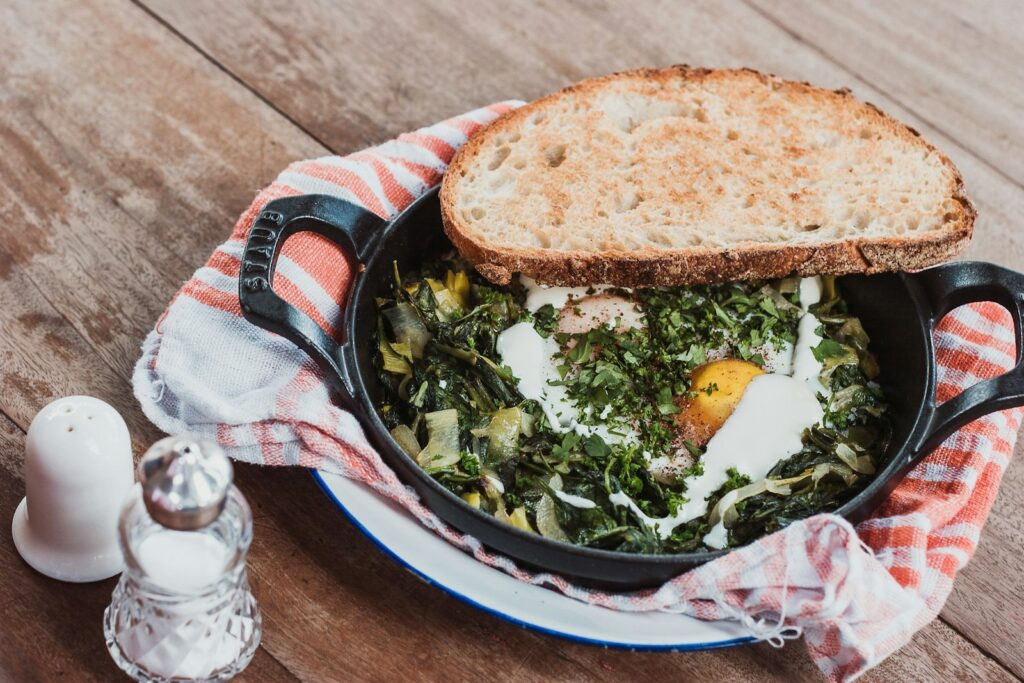
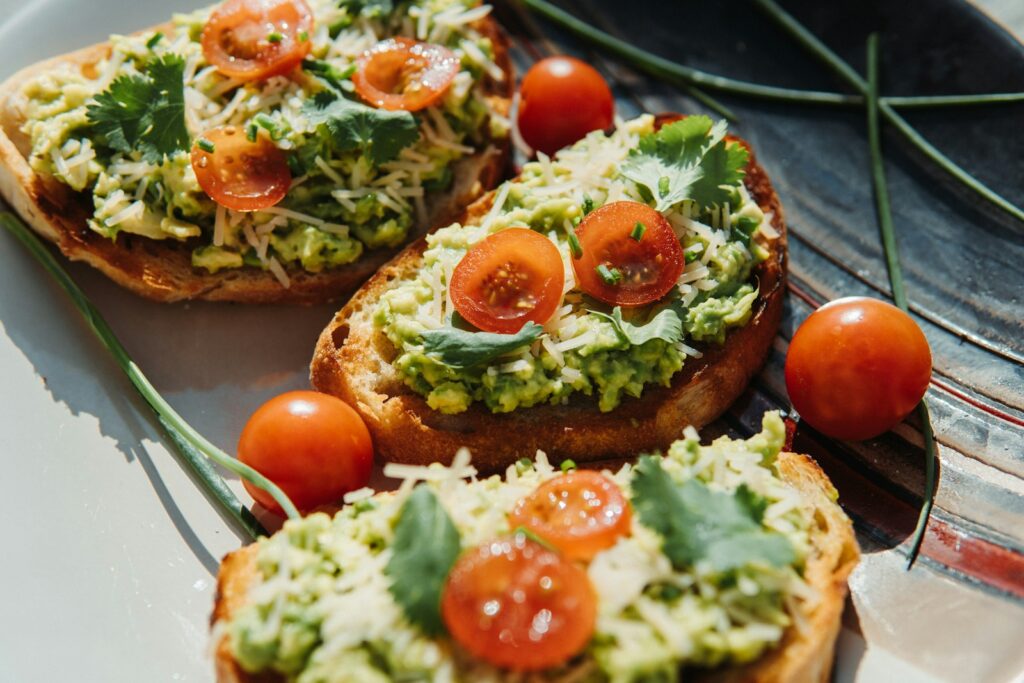
Breakfast:Avocado Toast With Eggs – Start with whole-grain toast, creamy avocado, and a poached egg or two. Sprinkle with chilli flakes for some added zest. This is the kind of VS Model Breakfast that fuels you for the day.
Lunch:Hearty Grain Bowl – Pack a bowl with a mix of greens, roasted veggies, a handful of healthy carbs like quinoa or brown rice, and a protein (grilled chicken, chickpeas, or tofu). Drizzle with a bit of tahini dressing for flavour.
Dinner:Homemade Veggie Pizza – Skip the bland diet dinners and make something fun! Use a wholemeal flatbread, load it with tomato sauce, lots of veggies, and a sprinkle of cheese. Top it off with lean protein if you like. This is how we do VS model meals—delicious and satisfying.
Snacks: Go for a mix of energy-boosting options like an apple with nut butter or some Greek yoghurt with berries. Real food that’s enjoyable, no fads needed.
Staying fuelled and hydrated is crucial for your fitness journey, but so is being prepared for every session. If you’re wondering what to keep in your gym bag, I’ve got a handy checklist just for you!
Tips For Staying On Track Without Losing Your Mind
Plan For Busy Days: Life gets hectic, and that’s okay! A bit of meal prep can help. Chop veggies, batch-cook a protein, or have some grains ready in the fridge. This way, you can avoid last-minute grabs for junk food and keep things balanced even on busy days.
Listen To Your Body (Instead Of The Diet Fads): Forget what a Victoria’s Secret diet plan says about ignoring hunger. Your body knows what it needs! Eat when you’re hungry, stop when you’re full, and don’t worry about sticking to some rigid schedule. This kind of flexibility makes healthy eating a lot more enjoyable.
Indulge Without Guilt: Life’s too short to skip dessert forever. Allow yourself a treat now and then. Whether it’s a bit of dark chocolate or a slice of pizza, remember that balance is key. The best diet plan is one you can actually live with, after all.
Let’s be real, motivation comes and goes. Relying on it alone is like depending on sunshine in British weather—it’s not always there when you need it! Check out Why Motivation (Alone) Doesn’t Work For Weight Loss for a deep dive into why sustainable habits matter more than short bursts of inspiration.
Conclusion: Embrace Your Own Victory Over Diet Culture
So, what’s the real Victoria’s Secret Diet? It’s a meal plan that actually works for you, not one that has you stressing over every mouthful.
Forget the extreme model diet plans that promise the world but deliver nothing but hunger pangs. Instead, aim for a plan that’s balanced, satisfying, and fits into your everyday life.
Your goal isn’t to live up to a mythical Victoria’s Secret Angel diet. It’s to find a sustainable way to eat that keeps you healthy, happy, and energised.
So embrace the carbs, enjoy the foods you love, and leave the unrealistic diets in the dust.
Ready to take on a diet that celebrates real life? You’ve got this—one meal, one choice, one step at a time. Let’s make health the real secret to victory!
Part of embracing a healthy lifestyle is learning to enjoy food without obsessing over it. If you’re tired of constant food thoughts, check out How to Stop Thinking About Food: Stop Obsessing, Start Enjoying! for tips on shifting your mindset and enjoying a more relaxed, balanced approach.
Right, let’s cut to the chase. How many times have you started a diet thinking, “Once I lose the weight, then I’ll be the kind of person who eats healthy and enjoys working out”? Or, “Once I hit my goal weight, then I’ll feel confident, happy, and finally have my life together”? That, my friend, is the Have, Do, Be mindset, and it is completely backwards.
If you want lasting weight loss, more energy, and a healthier lifestyle, you need to flip that thinking on its head. You need to start with who you are, because when you become the type of person who prioritises their health, the right actions follow naturally, and the results take care of themselves.
This is where the Be, Do, Have mindset comes in. Instead of waiting to have the body you want before you do the things that make you feel healthy and be the person you want to be, you start by shifting your identity.
The Be, Do, Have mindset is about becoming the person first, so that the right actions feel natural and lead to lasting results.
Most people get stuck in the Have, Do, Be trap, which goes like this:
“Once I have the perfect body, then I’ll do all the right things, and finally be healthy and confident.”
The problem is that this is not how habits work.
Instead, flip the script:
“I am a healthy, active person. Because of that, I make choices that align with this identity, and as a result, I achieve my goals.”
When I lost over 80 pounds, it was not because I suddenly found the perfect diet. It was because I stopped thinking of myself as “someone who is trying to lose weight” and started thinking of myself as someone who prioritises their health.
And once I did that, the choices that felt impossible before became second nature.
This is why mindset matters more than meal plans or workout routines. You can have the best programme in the world, but if you do not believe you are the kind of person who follows through, you will not stick with it.
So, let’s break down how to implement the Be, Do, Have mindset in a way that actually works.
Be – Developing the Right Mindset
This is where everything starts. Before you even think about what workouts to do or what meals to eat, you need to decide who you are.
Ask yourself:
What kind of person do I want to be?
What habits does that person have?
What daily choices do they make?
If you want to be someone who is fit, healthy, and full of energy, then that person probably:
Moves their body regularly
Eats food that fuels them
Listens to their body rather than following fad diets
Does not obsess over the number on the scale
Visualisation and Affirmations: Getting Your Brain on Board
Your brain responds to the story you tell it. If you constantly tell yourself, “I always fail at weight loss,” your brain will believe it and make sure you find proof to support that belief.
So, let’s rewrite the script.
Try this:
Visualisation: Every morning, picture yourself as that healthy, confident person. What do they wear? How do they act? What kind of food do they enjoy?
Positive affirmations: Repeat statements like, “I am the kind of person who makes healthy choices effortlessly.”
It might feel silly at first, but rewiring your brain is half the battle.
Surround Yourself with Positivity
Your environment plays a big role in shaping your mindset. If you are surrounded by people who constantly complain about dieting, skip workouts, or make you feel guilty for trying to improve yourself, it is going to be an uphill battle.
Swap out:
Friends who roll their eyes when you order a salad
Social media accounts that make you feel bad about yourself
Negative self-talk that tells you this is “just another failed attempt”
For:
Supportive people who lift you up
Fitness and mindset content that inspires you
Daily reminders that you are capable of change
Do – Taking Consistent, Joyful Action
Once you have decided who you are, it is time to act like that person would.
Most people fail at weight loss because they pick actions they hate. If you are dragging yourself through miserable workouts and eating boring salads, no wonder you keep quitting.
The Be, Do, Have mindset says: choose actions you actually enjoy, so they feel effortless.
Finding Joy in Movement
Forget workouts you hate just because they “burn more calories.”
If you hate running, try weightlifting.
If the gym makes you anxious, try at-home workouts.
If structured exercise is not your thing, go for a hike, dance, or do yoga.
The goal is to move because it feels good, not because you are punishing yourself for what you ate.
📌 Pin this for later! ⬇
Eating in a Way That Aligns with Your Identity
A person who prioritises their health does not diet constantly. They eat in a way that fuels them, satisfies them, and fits their life.
No more “starting over Monday” after a weekend binge.
No more restricting yourself so much that you give up.
Instead, eat how a healthy person eats—with balance, not extremes.
This means:
Making nutritious choices most of the time
Enjoying treats without guilt
Focusing on consistency over perfection
Have – Achieving the Results You Want
Now for the best part—when you focus on being the right person and doing the right things, the results take care of themselves.
Setting Goals That Actually Stick
Instead of saying, “I need to lose 20 pounds,” shift it to:
“I want to feel stronger and have more energy.”
“I want to move my body in a way that makes me happy.”
The weight loss will happen naturally when you stop obsessing over it.
Tracking Progress Without Getting Obsessed
Forget only relying on the scale. Try tracking:
How strong you feel
How well you sleep
How your energy levels improve
How your clothes fit
Because those things matter far more than a number.
Celebrating Small Wins
Every time you make a choice that aligns with your new identity, that is a win.
Got a workout in, even if it was short? Win.
Chose a nutritious meal when you could have skipped it? Win.
Said “I am capable of change” instead of “I always fail”? Massive win.
Mindset Hacks for Weight Loss Success: Must-Read Posts
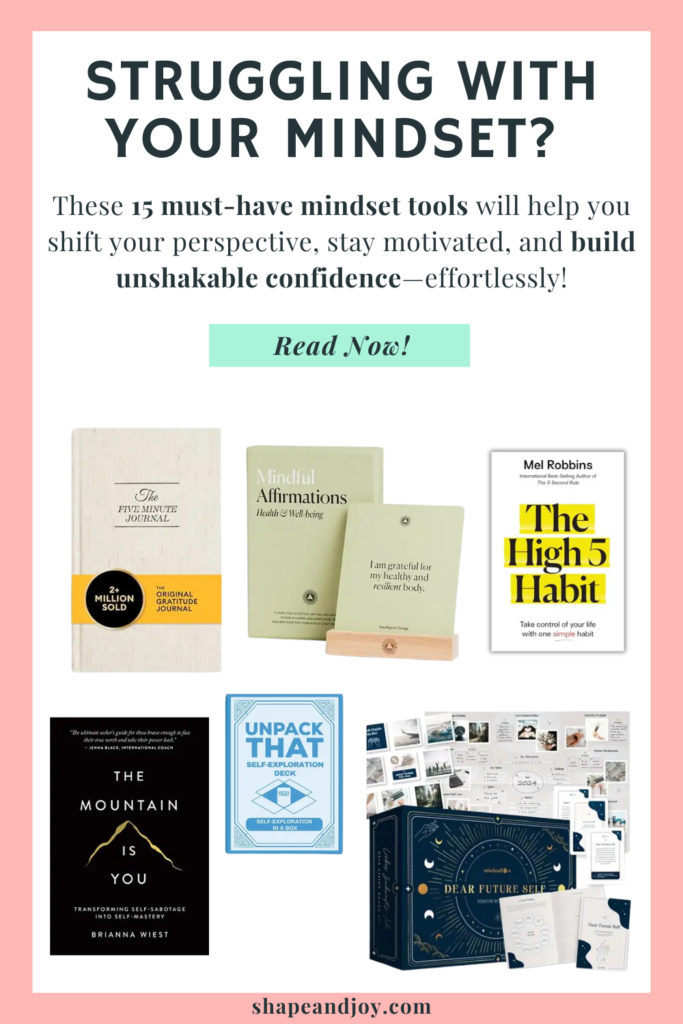
Struggling with motivation? Stuck in self-doubt? These posts will rewire your mindset, boost confidence, and keep you on track!
Final Thoughts: The Be, Do, Have Mindset in Action
If you have been waiting to have the body you want before you act like a healthy person, it is time to flip the script.
Be the kind of person who prioritises their health. Do the things that person would do. Have the results as a natural consequence.
Because the truth is, you do not have to wait to be the person you want to be. You can start acting like them today. And when you do, the results will come.
Now, tell me—what is one small way you are going to start being that person today? Let’s hear it.
📌 Pin this for later! ⬇
Further Reading
Positive Correlation with Exercise Frequency: Individuals with a growth mindset about fitness are more likely to engage in regular physical exercise. This relationship is mediated by higher self-efficacy and the value they place on fitness (Orvidas, Burnette, & Russell, 2018).
Impact on Exercise Efficacy: Growth mindsets about fitness lead to increased exercise intentions and improved perceptions of exercise efficacy and value, though direct manipulation of mindsets may not always predict immediate changes in exercise behaviour (Orvidas, Burnette, & Russell, 2018).
Adaptability and Positive Emotions: Growth mindsets foster adaptability, which in turn enhances positive learning emotions, self-concept, and self-efficacy while reducing anxiety (Zarrinabadi et al., 2021).
Overall Benefits: Growth mindsets are associated with better mental health, resilience, and well-being, helping individuals to better manage stress and overcome challenges in various aspects of life, including health and fitness (Haimovitz, 2019).
Right then, let’s talk mentality. It’s the make-or-break factor in your health journey, the thing that determines whether you power through setbacks or crumble at the first hurdle. And here’s the kicker—your mentality isn’t set in stone. It’s not a personality trait you’re stuck with. The types of mentality you adopt can either fuel your success or sabotage it entirely.
Want to know which ones are holding you back? More importantly, want to know how to fix them?
Let’s dive into the five biggest mentality types that can shape your fitness and weight loss journey for better or worse.
1. Fixed Mindset vs. Growth Mindset – The Mentality That Makes or Breaks You
Fixed Mindset: Stuck in the Same Old Patterns
If you’ve ever thought, “I’ll never be fit” or “I’m just not the type of person who can lose weight,” then congratulations, you’re dealing with a fixed mindset.
This mentality tells you that your abilities are set in stone. If you struggle with weight loss, you assume that’s just who you are, rather than something you can change.
Why this mentality holds you back:
You give up at the first sign of difficulty.
You see failure as proof that you are not good enough.
You avoid challenges because you are scared of looking bad.
Growth Mindset: The Mentality for Winners
A growth mindset tells you that skills, habits, and success are built over time, not something you are just born with. Instead of seeing failure as proof you should quit, you see it as a lesson.
How to shift into a growth mindset:
Accept that progress takes time.
Treat setbacks as learning opportunities, not proof that you have failed.
Focus on what you can do, instead of what you cannot do yet.
Next time you hear that little voice in your head saying, “I can’t do this,” add one tiny word: “I can’t do this yet.”
2. All-or-Nothing Mentality – The Perfectionist Trap
If you have ever thought, “Well, I already ate a biscuit, so I might as well eat the whole packet and start again Monday,” then congratulations—you have fallen into the all-or-nothing mentality.
This mentality makes you believe that if you cannot be perfect, then it is not worth trying at all. Spoiler alert: perfection does not exist.
Why this mentality will wreck your progress:
You either follow your diet perfectly or go completely off the rails.
You are either smashing workouts every day or doing nothing at all.
One “bad” meal means your entire diet is ruined.
How to ditch all-or-nothing thinking:
Health is not about being perfect, it is about being consistent.
Messed up one meal? No big deal. Just get back on track at your next meal.
Progress, not perfection, is what matters.
3. Process-Oriented vs. Outcome-Oriented Mentality – Are You Enjoying the Journey?
Outcome-Oriented Mentality: Obsessed with the Finish Line
If your only focus is hitting a goal weight, you are probably making the journey miserable for yourself.
You ignore all the good things happening along the way—more energy, better sleep, feeling stronger—because you are fixated on the number on the scale.
Why this mentality will keep you stuck:
You feel like a failure if results do not happen fast enough.
You rush through the process, desperate for results.
You lose motivation as soon as progress slows down.
Process-Oriented Mentality: Learning to Love the Journey
People who actually keep the weight off have one thing in common: they enjoy the process of getting healthier.
How to shift into a process-oriented mentality:
Focus on small daily wins like eating more vegetables, lifting heavier, or running further.
Set process-based goals like “I’ll work out three times a week” instead of “I’ll lose 5kg.”
Stop living for some future moment and start enjoying right now.
📌 Pin this for later! ⬇
4. Victim Mentality – The “It’s Not My Fault” Mindset
Ever catch yourself thinking, “I just have bad genetics” or “I don’t have time to be healthy”? That is the victim mentality talking.
Why this mentality holds you back:
You blame external factors instead of taking responsibility.
You believe that nothing is in your control.
You focus on excuses instead of solutions.
How to ditch the victim mentality:
Take ownership—yes, life throws obstacles at you, but you get to choose how you respond.
Focus on what you can control instead of what you cannot.
Stop waiting for perfect conditions—start where you are, with what you have.
Related Post: How to Stop Yo-Yo Dieting for Good
5. Flexible vs. Rigid Mentality – Adaptability is Key
Rigid Mentality: The “My Way or No Way” Approach
You have a plan, and you refuse to change it, no matter what. You eat the same meals, do the same workouts, and if life throws a curveball? You panic.
Why this is a problem:
Life is unpredictable. If you cannot adapt, you will quit as soon as something disrupts your routine.
Flexible Mentality: The Key to Long-Term Success
People with a flexible mindset roll with the punches. They adjust their approach when needed instead of throwing in the towel.
How to develop a flexible mentality:
Can’t get to the gym? Do a home workout.
Travelling? Find meals that fit your goals instead of stressing about a perfect diet.
Had a rough week? Instead of quitting, adjust your plan and keep going.
Mindset Hacks for Weight Loss Success: Must-Read Posts
Struggling with motivation? Stuck in self-doubt? These posts will rewire your mindset, boost confidence, and keep you on track!
Your mentality matters. The way you think shapes the way you act, and that determines your results.
Fixed vs. Growth Mindset: Stop thinking you cannot change. You can.
All-or-Nothing Mentality: Progress beats perfection every time.
Process vs. Outcome: Enjoy the journey. That is where the real transformation happens.
Victim Mentality: Take ownership. You have more control than you think.
Flexible vs. Rigid: Adaptability is the key to long-term success.
Now, which of these types of mentality have been holding you back? And more importantly, which one are you going to change first? Let me know in the comments.
Get Rid of Stress Belly: Science-Backed Ways to Reduce Cortisol & Burn Belly Fat
Alright, love, let’s get straight to it—stress belly is a real thing. If you’ve been eating well, moving your body, and still wondering why your midsection isn’t budging, your cortisol levels could be the culprit.
Chronic stress triggers cortisol spikes, and when that happens, your body stores fat right around your belly. Annoying? Yes. Fixable? Also yes. But here’s the thing: no amount of crunches or detox teas will get rid of it—you need to focus on lowering cortisol and balancing your hormones first.
So, in this post, I’ll cover:
Why stress leads to belly fat storage (spoiler: it’s not just about calories)
How to balance cortisol levels naturally
Science-backed ways to reduce stress belly without extreme dieting
Why Stress Belly Happens (Even If You’re Doing Everything “Right”)
Your body isn’t out to sabotage you—it’s wired for survival. When stress levels stay high, your body thinks it’s in danger and holds onto fat as an energy reserve. And guess where it likes to store that extra energy? Right around your belly.
Here’s why:
Cortisol increases fat storage, especially in the abdominal area
High cortisol keeps insulin elevated, making it harder to burn fat
Chronic stress slows metabolism, so you burn fewer calories at rest
Cortisol can lead to overeating, but even if you’re eating normally, it can still cause weight gain
And just to make things more fun (sarcasm), even if you lose weight overall, a stubborn stress belly can hang on if cortisol isn’t managed.
But don’t worry—we’re not here to accept our fate. Let’s fix this.
Balance Blood Sugar to Keep Cortisol in Check
If your diet looks like a rollercoaster of sugar highs and crashes, your cortisol is probably working overtime trying to keep up. Every time your blood sugar spikes and crashes, your body pumps out more cortisol, making stress belly worse.
Here’s how to fix cortisol levels naturally with food:
Start your day with a protein-packed breakfast. Swap the toast-only breakfast for eggs, Greek yogurt, or a protein smoothie
Pair carbs with protein and fat. This slows digestion, stabilises blood sugar, and keeps cortisol balanced
Eat regularly. Long gaps between meals lead to cortisol spikes. Aim for balanced meals every 3-5 hours
Try this: Instead of grabbing a sugary snack, go for almonds and dark chocolate. They’re rich in magnesium, which helps lower cortisol naturally.
Prioritise Sleep (Because a Tired Brain = More Belly Fat)
Bad sleep and belly fat go hand in hand. Poor sleep skyrockets cortisol, increases cravings, and slows metabolism. If you’ve ever woken up exhausted and spent the whole day ravenous and craving junk food, that’s cortisol and sleep deprivation teaming up against you.
Here’s how to reduce high cortisol levels at night:
Create a wind-down routine—dim the lights, avoid screens, and relax before bed
Take magnesium before bed—it lowers cortisol and helps you sleep deeper
Avoid late-night stress—scrolling emails or having heated debates before bed doesn’t help
Try this: If you wake up between 2-4 AM, it could be a cortisol spike caused by low blood sugar. A small protein and carb snack before bed, like Greek yogurt and berries, can help.
📌 Pin this for later! ⬇
Train Smart (Because Too Much HIIT Can Backfire)
Exercise is amazing for fat loss, but if you’re smashing high-intensity workouts every day, you might be making stress belly worse.
Too much intense exercise raises cortisol. When your body is constantly in fight-or-flight mode, it holds onto fat instead of burning it.
Focus on strength training. Lifting weights helps lower cortisol and build lean muscle
Prioritise low-impact movement. Walking, yoga, or Pilates lower stress and improve fat loss
Save HIIT for 1-2 times per week, not every day
Try this: Swap one of your HIIT workouts for a 30-minute walk outdoors. It’s scientifically proven to reduce cortisol and promote fat loss.
Manage Stress Without Emotional Eating
If stress automatically equals snacks, you’re not alone. Cortisol increases hunger hormones, making it harder to tell the difference between real hunger and stress cravings.
Instead of reaching for food when stress hits, try these cortisol-lowering hacks instead:
Deep breathing exercises. Just five deep breaths can lower cortisol instantly
Get outside. Natural light and fresh air help lower stress hormones fast
Essential oils. Lavender, chamomile, and sandalwood are proven to lower cortisol naturally
Try this: Next time a craving hits, drink a glass of water and take five deep breaths first. You’ll be surprised how often it’s stress, not actual hunger.
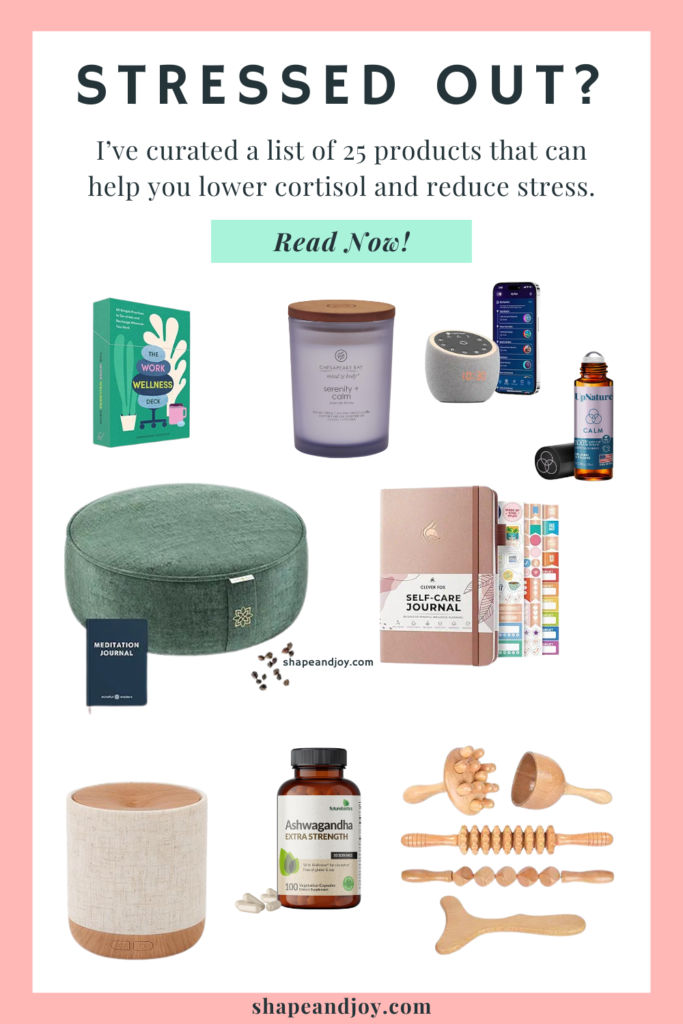
Try Science-Backed Supplements That Help Reduce Cortisol
Sometimes, food and lifestyle tweaks aren’t enough, and that’s where supplements can help. Cortisol imbalance supplements have been shown to reduce stress belly by lowering cortisol and improving fat metabolism.
Discover the best cortisol-lowering supplements for belly fat loss, here.
How to Reduce High Cortisol Levels for Good!
If stress has been running the show—messing with your energy, cravings, and waistline—it’s time to take back control. This series is all about lowering cortisol naturally, stopping stress-driven weight gain, and helping you feel like yourself again.
Get Rid of Stress Belly: Science-Backed Ways to Reduce Cortisol & Burn Belly Fat (You’re here!) – Explores why cortisol leads to belly fat storage, even if you’re eating well. Learn how to target stress belly with cortisol-balancing foods, exercise, and lifestyle shifts.
Final Thoughts: You Can Get Rid of Stress Belly Without Starving Yourself
The truth is, stress belly isn’t just about calories—it’s about hormones. If you focus on:
Balancing blood sugar with protein, fat, and fibre to keep cortisol stable
Getting better sleep because sleep loss increases belly fat
Training smart instead of punishing yourself with too much cardio
Managing stress without using food as a coping mechanism
Using the right supplements, like magnesium and ashwagandha
Then you can finally lose that stubborn stress belly without crazy diets or hours of cardio.
Hands up if this sounds familiar: you start the week smashing your fat burning home workout, eating metabolism boosting foods, and feeling unstoppable. Then one biscuit, one skipped session, or one night out happens… and boom, you’re “off the wagon.” Suddenly it’s pizza, guilt, and a fresh losing weight plan lined up for Monday. This is the All-or-Nothing trap, and it’s wrecking your progress.
It’s perfectionism dressed up as discipline. But here’s the truth: fat loss, fitness, and real body transformations aren’t about being perfect.
They’re about showing up consistently, even when life isn’t Insta-perfect.
In this post, we’ll break down what the All-or-Nothing trap is, why it’s secretly sabotaging you, and how to escape it.
You’ll learn why aiming for perfection kills results, how to build realistic weight goals, and practical ways to keep moving forward without chucking in the towel every time you slip.
So let’s dive in and dismantle the All-or-Nothing thinking once and for all.
Here’s the problem: perfectionism makes you aim for the impossible. And when you can’t meet impossible standards, you quit.
You burn out from chasing the best fat burning workout seven days a week.
You feel guilty if your calorie intake isn’t perfect.
You believe one treat cancels out progress, even if you were 10 lbs down already.
The truth? One slip doesn’t erase results. 5 lbs of fat looks like a lot, it doesn’t magically return after one slice of cake.
Progress comes from consistency, not flawlessness. Think about it: if you spilled a bit of milk pouring from the jug, you wouldn’t throw the whole lot down the sink.
Same goes for dropping your phone, just because you got a tiny scratch, you wouldn’t smash it with a hammer.
So why treat a single slip-up like a total failure?
This cycle often shows up as sabotage, like emotional eating, bingeing after being “too good,” or that classic “Starting Over Monday” thinking. To dig into that, check out How to Stop Self-Sabotage (Emotional Eating, “Starting Over Monday,” and Negative Self-Talk).
The Middle Ground: Progress Over Perfection
So what’s the solution? The middle ground. Think progress, not perfection.
Adopt the 80/20 rule: aim for balance most of the time, not sainthood.
Eat whole healthy foods regularly, but enjoy cake without guilt.
Choose a walk over nothing when you’re too tired for a full workout fat loss session.
This approach means you can lose a pound a week, melt belly fat, and still live your life. It’s the best way to lose 20 pounds long-term, or however much you need to lose, without giving up every social event or comfort food.
📌 Pin this for later! ⬇
Practical Strategies to Escape the Trap
Here are some ways to step out of All-or-Nothing mode:
Reframe mistakes – One wobble isn’t failure. It’s feedback.
Plan flexibility – Build in meals you love, even if they aren’t “perfect.”
Simplify workouts – Focus on effective workoutroutines, not punishing 2-hour sessions. Easy workout for beginners? Brilliant. Consistency > intensity.
Meal planning made easy – Planning stops panic, reduces binges, and keeps your losing weight transformation moving forward.
If you need help with this, read Meal Planning Made Simple: How to Stay on Track Without Restriction.
Real-Life Examples of Balance Winning Over Perfection
Missed the gym? Do 15 minutes of weights for women or a fat burning workout at home instead.
Ordered pizza? Pair it with a salad and call it balance, not failure.
Ate dessert? Did you enjoy it? Great, move on.
This is how realistic weight goals are achieved. Not by perfection, but by consistency and flexibility. That’s how losing 15 pounds or even losing weight when you’re over 200lbs becomes sustainable.
Pulling It Together: Consistency > Perfection
The All-or-Nothing trap is sneaky, but it’s not unbeatable.
Progress isn’t ruined by one snack, one skipped session, or one off day. It’s ruined by giving up.
Choose consistency, build habits, and keep moving, even if it’s messy. That’s where real body transformations happen.
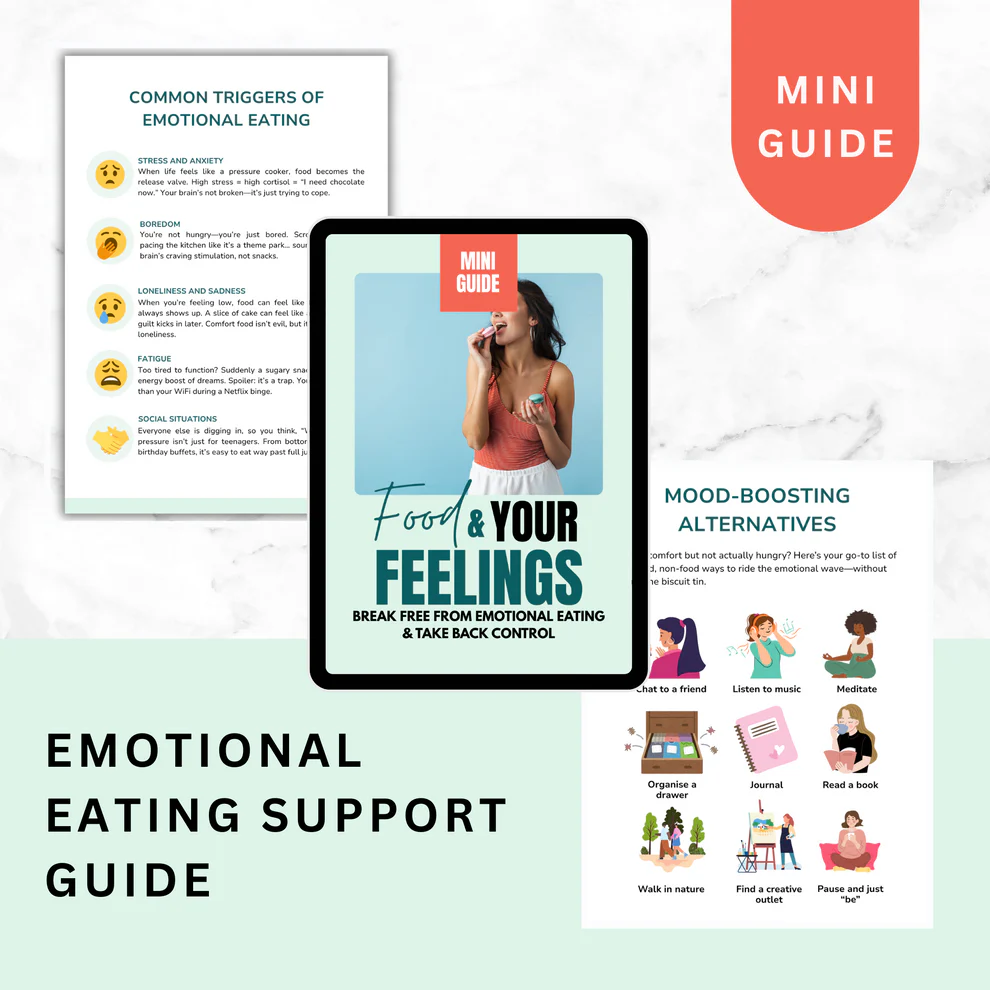
Struggling with Emotional Eating?
If you ever find yourself raiding the cupboards when you’re stressed, bored, or just feeling “off,” you’re not broken and you’re not weak.
It’s emotional eating, a coping mechanism many of us lean on.
It’s a bite-sized, no-judgement guide that helps you understand why it happens, spot your triggers, and build real strategies that actually work in the moment.
Think of it as your practical toolkit for calming cravings, handling emotions without food, and finally feeling more in control (without crash diets or guilt).