Small Habit Changes

  • Your Monthly Self-Care Checklist: Small Habits That Make a Big Difference

    monthly self-care checklist

    Letโ€™s get one thing straight: self-care isnโ€™t all bubble baths and face masks (though we love those too). Itโ€™s about daily habits โ€” small but mighty โ€” that support your body, mind, and soul without adding more stress to your plate. This month, instead of waiting until you burn out and rage-cry over a lukewarm cuppa, letโ€™s build a simple self-care checklist that actually fits your life.

    One that boosts your energy, clears your head, and reminds you that you matter too, even when the to-do list is screaming.

    Hereโ€™s your no-fluff, high-impact monthly self-care checklist, packed with realistic, joyful, and healthy habits that make you feel like the version of you who has her life together โ€” even if youโ€™re still winging it 90% of the time.

    Ready? Letโ€™s do it.


    Physical Self-Care (For Your Body Thatโ€™s Doing the Most)

    1. Drink your water, stretch your body, and eat a real meal

    Because basic doesnโ€™t mean boring. Hydration, movement, and nutrition are the holy trinity of feeling better. Bonus: Add lemon to your water, light a candle while you stretch, and pretend you’re in a wellness montage.

    2. Go to bed earlier than you want to

    Scrolling till 1am isnโ€™t giving what you think it is. Prioritise rest like itโ€™s part of your glow-up routine โ€” because it is. Want support? Pop some magnesium in your night routine.

    3. Do one form of joyful movement

    Not punishment. Not guilt-fuelled. Something that makes you feel alive โ€” a walk, a dance, a mini stretch sesh. Check out my post here on how exercise and self-care go together.


    Mental Self-Care (For That Brain That Wonโ€™t Shut Up)

    4. Journal out your brain clutter

    No pressure. No perfection. Just dump your thoughts on paper. Itโ€™s free therapy.

    5. Do something low-stim

    Phones off, music low, book open. Or just sit. Breathe. Be. Youโ€™re allowed to do nothing.

    6. Use a daily habit tracker

    Because checking a little box gives you a nice little dopamine hit and is wildly satisfying โ€” and helps you build consistency without the mental gymnastics. This oneโ€™s cute and functional: The Morning Sidekick Journal


    ๐Ÿ“Œ Pin this for later! โฌ‡

    MONTHLY SELF-CARE CHECKLIST

    Emotional Self-Care (For That Soft Heart of Yours)

    7. Say no without overexplaining

    You are not a walking apology. Protect your peace and stop justifying your boundaries.

    8. Text a friend who makes you laugh-snort

    Connection is everything. Especially with people who love the messy, unfiltered version of you.

    9. Write yourself a note like you would to a mate

    Stick it on your mirror. Something like, โ€œYouโ€™re doing better than you think.โ€ Add a bit of โœจmain character energyโœจ to your space with a set of cute affirmation cards.


    Bonus: Aesthetic Self-Care (For The Vibe, Obviously)

    10. Romanticise the boring stuff

    Light a candle while you clean. Listen to a podcast while folding laundry. Add fruit to your water.
    Itโ€™s not about being fancy. Itโ€™s about making life feel less meh.


    Final Thought

    Self-care isnโ€™t something you earn after youโ€™ve done everything else. Itโ€™s the thing that helps you get through everything else without losing your mind.

    So print this checklist. Stick it in your journal. Screenshot it. Add your own spin. These arenโ€™t just โ€œnice extrasโ€ โ€” theyโ€™re small habit changes that support your mental health, boost your energy, and help you create a more balanced lifestyle.

    This month, choose consistency over chaos. Choose tiny acts of love over all-or-nothing. Choose you โ€” every damn day.


    ๐Ÿ“Œ Pin this for later! โฌ‡

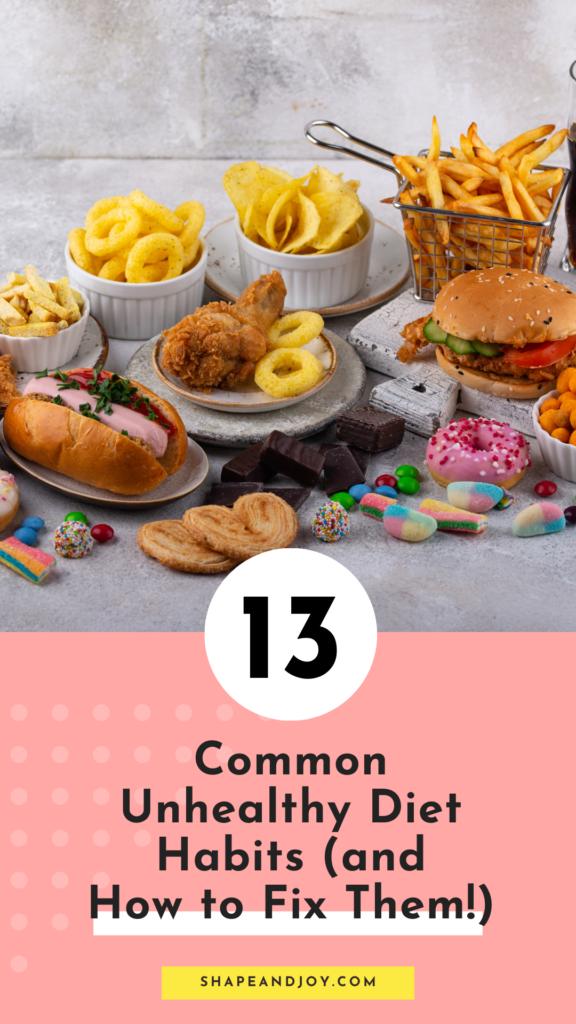
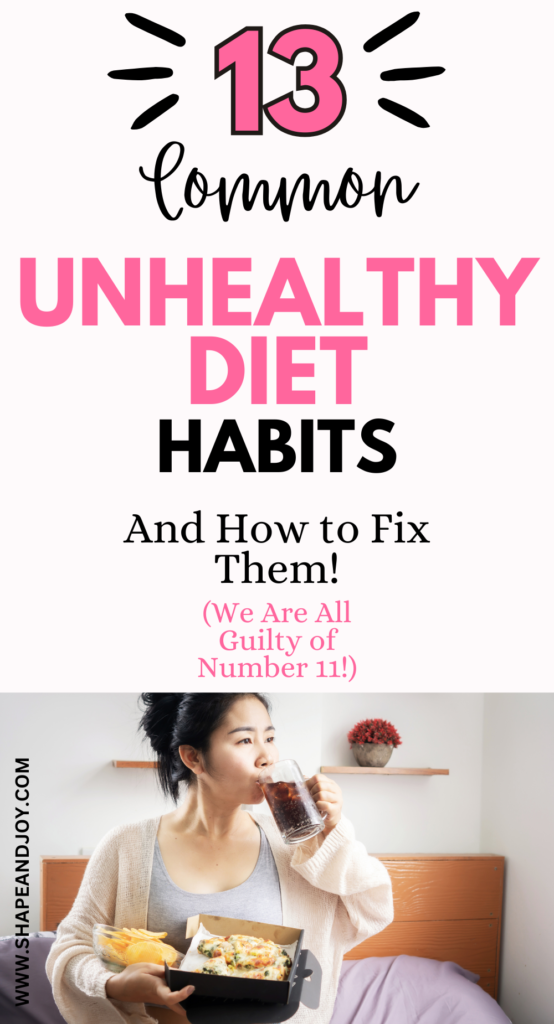
  • 13 Common Unhealthy Diet Habits (and How to Fix Them!)

    Common mistakes that lead to an unhealthy diet and how to fix them.

    Letโ€™s be realโ€”feeling stuck in the cycle of an unhealthy diet can feel like being caught in a food tornado.

    Youโ€™ve got habits you know arenโ€™t doing you any favours, but figuring out where to start? Thatโ€™s a whole different ballgame.

    Maybe you skip meals because lifeโ€™s a whirlwind, or you find yourself devouring an entire pizza after a long day at work.

    Itโ€™s easy to feel overwhelmed, isnโ€™t it?

    Hereโ€™s the good news: you donโ€™t need to be perfect. Small, manageable changes can have a massive impact.

    Trust me, youโ€™re just a few tweaks away from creating a healthier and more balanced relationship with food.

    So, letโ€™s dive into 13 common unhealthy diet habits and, more importantly, how to fix themโ€”one simple step at a time.


    Letโ€™s start with the age-old problem of skipping breakfast.

    You wake up, rush through your morning routine, and tell yourself youโ€™ll grab something later.

    But letโ€™s be honest, later rarely happens. By mid-morning, youโ€™re starving, cranky, and reaching for the first sugary snack you can find.

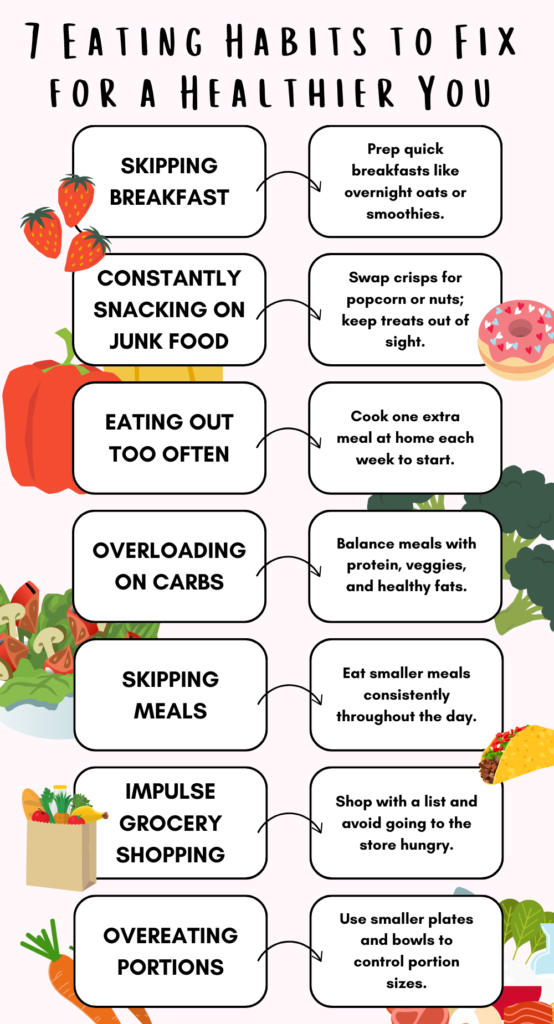
    Fix it: The solution here is all about preparation. Quick, balanced breakfasts like overnight oats, Greek yoghurt with berries, or a protein-packed smoothie can save the day. Spend a few minutes the night before getting everything ready, so you can grab and go in the morning without even thinking about it.

    Glass Jars with Bamboo Lids
    $22.99

    Okay, you need these overnight oats jars in your life. Theyโ€™ve got a lid and even come with a spoon, so you can grab and go without any faff!

    Buy Now
    I earn a commission if you make a purchase, at no additional cost to you. It's one of the ways I support my blog ๐Ÿ™‚
    03/05/2026 12:12 am GMT

    Why it matters: Starting your day with a proper breakfast sets the tone for the rest of your meals. Youโ€™ll feel more energised, less likely to snack, and ready to take on whatever the day throws at you.


    Picture this: itโ€™s mid-afternoon, and youโ€™re peckish. Instead of reaching for something nourishing, you grab a packet of crisps or a chocolate bar because, well, theyโ€™re easy and comforting.

    Weโ€™ve all been there. And sometimes you need a little treat. But the problem is, these snacks donโ€™t keep you full for long, and they add unnecessary calories to your day.

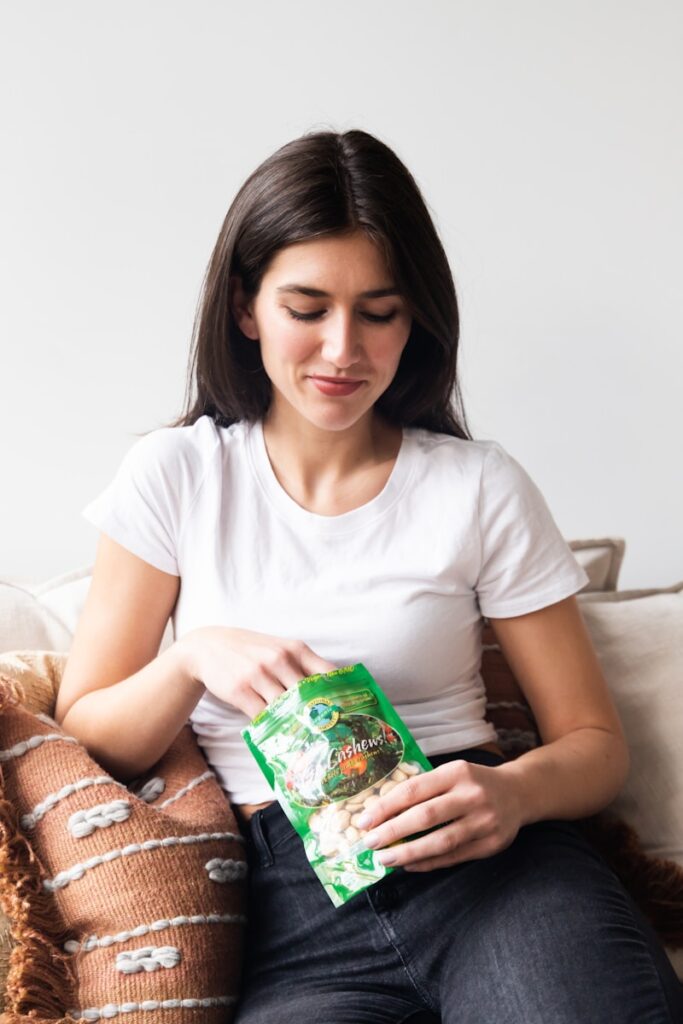
    Fix it: Swap out the junk for snacks that actually fuel your body. Keep nuts, or fresh fruit on hand instead. And hereโ€™s a sneaky trick: put treats out of sight! If you have to dig through three drawers to find a biscuit, youโ€™re less likely to bother.

    Why it matters: Choosing better snacks helps you stay satisfied between meals and keeps your energy levels steady. Plus, youโ€™ll feel way less guilty when snack time rolls around.

    Ever wondered how to bring the wisdom of ancestral nutrition into your busy, modern life? Donโ€™t miss 11 Ways to Incorporate Ancestral Nutrition Into Your Modern Lifestyle for practical tips you can start using today!


    Itโ€™s been a long day, youโ€™re knackered, and the idea of cooking feels like an extreme sport.

    So, you default to takeaway or eating out.

    While thereโ€™s nothing wrong with treating yourself, doing this too often can wreak havoc on your healthy eating goalsโ€”not to mention your bank account.

    Fix it: Start small by cooking just one extra meal at home each week. Plan ahead, pick simple recipes, and donโ€™t overthink it. Even a quick stir-fry with some veg, protein, and noodles can be a game-changer.

    Why it matters: Cooking at home not only gives you control over what goes into your meals but also helps you establish healthier habits over time. Plus, leftovers are a lifesaver for lunch the next day!

    What if you could hack your metabolism?

    Thatโ€™s exactly what Lumen helps you do. Itโ€™s like a fitness coach, nutritionist, and scientist rolled into one pocket-sized gadget. Hereโ€™s why itโ€™s a game-changer:

    • Measures your breath to reveal if youโ€™re burning carbs or fat.
    • Gives you personalised nutrition advice.
    • Helps you hit your goals fasterโ€”fat loss, energy boosts, or just feeling like a boss.
    • Backed by science and super easy to use.

    No more guesswork. No more spinning your wheels. Lumen puts you in charge of your metabolism.

    Ready to level up your health and finally see results? Check out Lumen and start smashing it today! 💥

    Find Out More
    I earn a commission if you make a purchase, at no additional cost to you. It's one of the ways I support my blog ๐Ÿ™‚

    Have you ever picked up a โ€œlow-fatโ€ yoghurt or a so-called โ€œhealthyโ€ granola bar, only to realise later itโ€™s packed with sugar?

    Food labels can be sneaky, and not knowing what youโ€™re eating can derail even the best intentions.

    Fix it: Take an extra minute to read the labels before you pop something into your trolley. Look for shorter ingredient lists with words you actually recognise. And if sugar is one of the first few ingredients? Maybe give it a pass.

    Why it matters: Understanding whatโ€™s in your food helps you make better choices and avoid hidden nasties like added sugars or unhealthy fats. Knowledge is power, after all.

    Feeling overwhelmed and wondering how your diet affects stress? Check out Cortisol Diet 101: Your Guide to Balancing Stress Hormones for easy tips to support your body and mind!


    Youโ€™ve had dinner, but somehow you find yourself standing in front of the fridge at 10 pm, nibbling on leftovers or raiding the snack cupboard.

    Sound familiar?

    Late-night binging often happens because weโ€™re bored, tired, or stressedโ€”not because weโ€™re actually hungry.

    Fix it: Set a boundary by โ€œclosing the kitchenโ€ after dinner. Tell yourself that once the plates are cleared, the kitchen is officially off-limits.

    If youโ€™re genuinely hungry, go for a lighter option like a small handful of nuts or some fruit. But remember that every so often, a slice of cake after dinner isn’t going to do an harm.

    Why it matters: Cutting out late-night snacks can help you sleep better and prevent unnecessary calorie intake. Plus, it feels good to wake up without that post-binge guilt.

    ๐Ÿ“Œ Pin this for later! โฌ‡

    Visual guide to breaking free from an unhealthy diet cycle.

    Bad day at work? Argument with your partner?

    Emotional eating often sneaks up when weโ€™re feeling low.

    Food becomes a source of comfort, but itโ€™s a temporary fix that doesnโ€™t actually address the underlying emotions.

    Fix it: Next time you feel the urge to snack, pause for a moment. Ask yourself: โ€œAm I hungry, or am I just stressed, sad, or bored?โ€ If itโ€™s the latter, try a different coping strategyโ€”like journaling, calling a friend, or even finding a new hobby.

    Why it matters: Learning to manage your emotions without food is a game-changer for both your mental and physical health.

    Foods often mistaken as healthy but part of an unhealthy diet.

    I am not the person to tell you to cut out carbs, I have pasta at least 3 times a weekโ€”but when your meals are all bread, pasta, and rice with nothing else in sight, itโ€™s easy to overdo it.

    Too many carbs without protein or fats can leave you feeling hungry again in no time.

    Fix it: Aim for balance in every meal. Combine your carbs with a source of protein (like chicken or tofu), healthy fats (like avocado or olive oil), and plenty of veg.

    Think of your plate as a puzzle, with all the pieces working together to keep you full and satisfied.

    Why it matters: Balanced meals help stabilise your blood sugar levels, so youโ€™ll feel energised and avoid the dreaded mid-afternoon slump.

    Think youโ€™re eating healthy but not seeing results? Donโ€™t miss 10 Unhealthy Foods You Think Are Healthy: Common Diet Mistakes to uncover sneaky culprits in your diet!


    Skipping meals might seem like a shortcut to weight loss, but it’s a very common unhealthy diet habit.

    By the time your next meal rolls around, youโ€™re so hungry you could eat an entire pizzaโ€”and then you do.

    Fix it: Commit to eating three balanced meals a day, even if theyโ€™re smaller. If your schedule is hectic, plan your meals in advance and have healthy options ready to go.

    Why it matters: Eating consistently helps regulate your metabolism and prevents the binge-restrict cycle that can leave you feeling miserable.

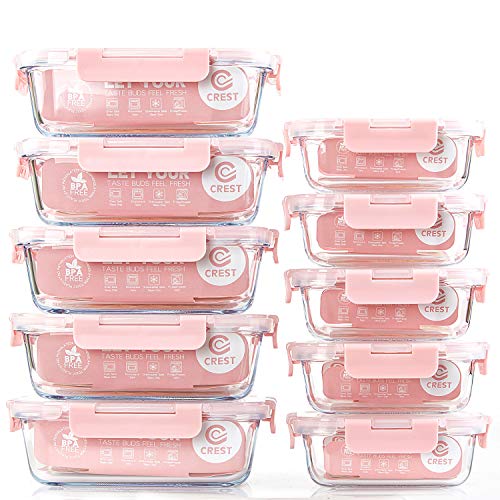
    Glass Meal Prep Containers
    $34.99
    Get it on Amazon
    I earn a commission if you make a purchase, at no additional cost to you. It's one of the ways I support my blog ๐Ÿ™‚
    03/05/2026 01:12 am GMT

    From sugary lattes to fizzy drinks, calories from beverages can sneak into your day without you even realising it.

    They donโ€™t fill you up, but they do add up quickly.

    Fix it: Stick to water, herbal teas, or black coffee. If plain water feels boring, jazz it up with a slice of lemon or some squash.

    Why it matters: By cutting back on sugary drinks, youโ€™ll save hundreds of calories a week without even trying. Plus, youโ€™ll feel more hydrated and energised.

    Wondering how to improve your gut health for better well-being? Check out Happy Gut, Happy Life: Easy Tips for Gut Healing and start feeling your best today!


    Weโ€™ve all been thereโ€”popping into the shop for โ€œjust one thingโ€ and leaving with a trolley full of snacks you didnโ€™t need.

    Impulse shopping often leads to a kitchen stocked with treats but no real meals.

    Fix it: Plan your meals for the week and shop with a list. And whatever you do, donโ€™t shop hungryโ€”itโ€™s a recipe for disaster.

    Why it matters: Sticking to a plan means youโ€™ll have everything you need for balanced, healthy meals, and youโ€™ll waste less food (and money).

    Struggling to plan balanced meals without the stress? Donโ€™t miss Principles of Meal Planning: An Easy Step-by-Step Guide to simplify your mealtime routine!

    Ever found yourself munching through a pack of Custard Creams while watching TV, only to realise the bagโ€™s empty and you donโ€™t even remember eating it?

    Thatโ€™s mindless eating for youโ€”it sneaks up on the best of us.

    Fix it: Practise mindful eating. Turn off distractions, sit down at the table, and truly focus on your food.

    Take smaller bites, chew slowly, and actually savour the flavours. Itโ€™s not just healthierโ€”it makes eating way more enjoyable.

    Why it matters: When you pay attention to your meals, youโ€™re more likely to notice when youโ€™re full, which can help prevent overeating.


    ๐Ÿ“Œ Pin this for later! โฌ‡

    Healthy meals prepared with fresh ingredients for a balanced diet plan.

    Letโ€™s face it: processed foods are convenient.

    And usually tasty.

    But theyโ€™re often loaded with salt, sugar, and unhealthy fats, leaving your meals lacking in nutrients. They are the main culprits of an unhealthy diet.

    Fix it: Gradually replace processed foods with whole, minimally processed options. For example, swap white bread for whole grain, and choose fresh fruit over sugary snacks.

    Meal prepping can also help reduce reliance on ready meals when youโ€™re short on time.

    Why it matters: Whole foods provide the nutrients your body craves, keeping you full longer and improving your energy levels.

    Ninja Air Fryer Pro 4-in-1
    $129.00
    Get it on Amazon
    I earn a commission if you make a purchase, at no additional cost to you. It's one of the ways I support my blog ๐Ÿ™‚
    03/05/2026 12:12 am GMT

    Even the healthiest food can work against you if youโ€™re eating too much of it.

    Oversized portions make it easy to consume more calories than your body needs.

    Fix it: Use smaller plates and bowls to naturally control portion sizes. Before going back for seconds, give your body 10 minutes to decide if itโ€™s actually still hungry.

    And donโ€™t forget to balance your plateโ€”half veg, a quarter protein, and a quarter carbs is a great place to start.

    Why it matters: Portion control is one of the simplest ways to maintain a healthy diet without feeling deprived.


    Listen, no one gets it right all the time. Breaking unhealthy diet habits isnโ€™t about being perfect; itโ€™s about making small, consistent changes that add up over time.

    Pick one habit from this list to focus on this week.

    Just one.

    Master that, and then move on to the next. Youโ€™ve got this, and Iโ€™m cheering you on every step of the way!

    Got questions or want to share your progress? Drop a commentโ€”Iโ€™d love to hear from you!

    ๐Ÿ“Œ Pin this for later! โฌ‡

    Simple food swaps for a healthier lifestyle and better eating habits.
  • How to Create Habits That Stick

    Starting new habits? Easy as pie. Want to create habits that stick though? Thatโ€™s where things get interesting. Weโ€™ve all had that burst of energy, havenโ€™t we? You know the oneโ€”when youโ€™re all fired up, setting goals left, right, and centre, only to hit a wall two weeks later and think, โ€œWhat was I doing again?โ€

    The thing is, habit-building is not about willpower. Nope. Itโ€™s about being smart and setting up small, no-fuss actions that fit right into your everyday life. Whether youโ€™re giving yourself a good ol’ life overhaul or just trying to get your act together, itโ€™s these teeny-tiny habits that make all the difference.

    If youโ€™re fed up with the whole start-stop cycle and finally ready to stick to something, youโ€™re in the right place. Letโ€™s crack on with how to create habits that stick like superglue.

    This post is part of my โ€˜Change Your Lifeโ€™ series, by the way. If you havenโ€™t yet, check out โ€œHow to Get Your Life Together in 3 Simple Steps.โ€ You wonโ€™t regret it.

    how to create habits that stick

    Why Habits Are the Secret Sauce for Long-Term Success

    Habits arenโ€™t just about ticking off a checklist. Theyโ€™re the building blocks of real change.

    Want to turn your life around in the next year, or even the last few months of the year? Then your habits are where it all begins.

    Breaking a bad habit or picking up a good oneโ€”itโ€™s those small, regular actions that pile up and lead to BIG results.

    For anyone feeling that itch, check out my post on reinventing yourself in your 30s for a fresh perspective.

    Step 1: Start Small (No, Smaller Than That) and Be Consistent

    The number one mistake Iโ€™ve madeโ€”and letโ€™s be honest, weโ€™ve all done itโ€”is going too big, too fast. You think, โ€œRight, Iโ€™m going to overhaul my life, sort out everything, all at once.โ€

    And guess what?

    Itโ€™s not sustainable.

    Hereโ€™s the secret: you donโ€™t need to change everything overnight. Start small.

    Like, ridiculously small.

    Want to kick off a new morning routine? Forget about an hour-long workout or cooking a full-on breakfast from scratch.

    Just start by drinking a glass of water when you wake up or doing 5 minutes of stretching. Iโ€™m seriousโ€”5 minutes.

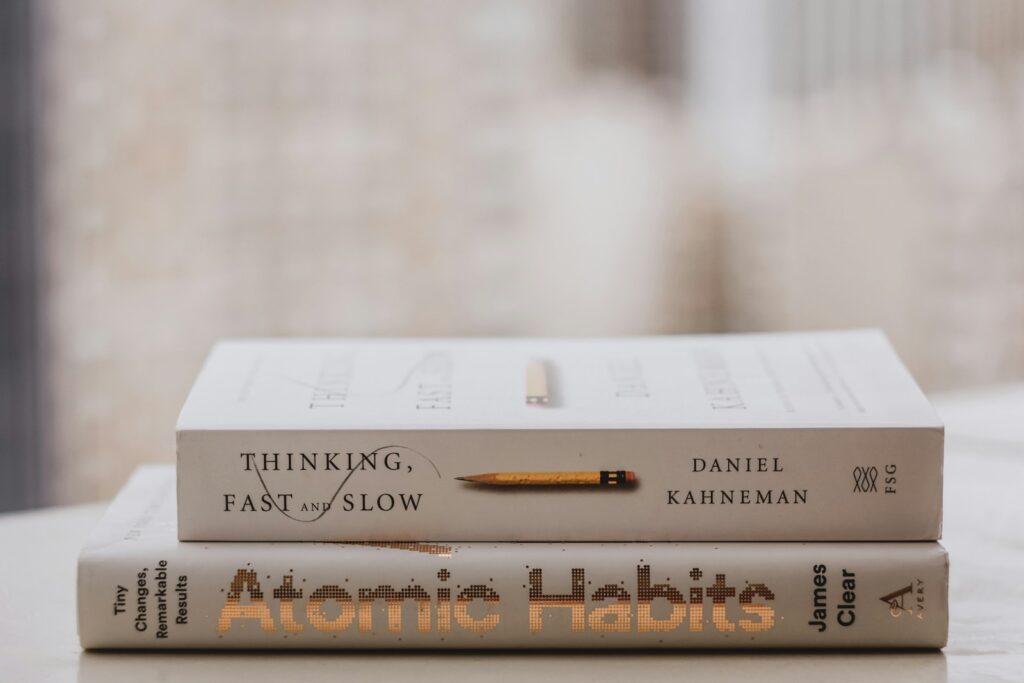
    And track it. Iโ€™m telling you, having a visual reminder, like a habit tracker, does wonders. Itโ€™s like giving your brain a little high-five every time you stick with it.

    Trust me, on days when youโ€™re ready to sack it all off, that little visual progress? It keeps you going.

    Consistency is key! Itโ€™s not about grand gestures but small daily actions that lead to big changes. For more on why staying consistent is crucial, have a read through โ€˜The Importance of Consistency: Small Habits Lead to Big Results!

    Step 2: Connect the Dotsโ€”Habits and Bigger Goals

    create habits that stick and routines and goals

    Itโ€™s so much easier to create habits that stick when you know why youโ€™re doing something. Like, seriously. Your habits should feed into a bigger picture.

    Whether itโ€™s your health, personal growth, or smashing it in your career, those small daily actions are the fuel.

    For me, it was getting my health in order. I had to connect the dots between my little habits and the bigger goal of feeling better in my skin, both physically and mentally.

    It wasnโ€™t just about losing weightโ€”it was about showing up for myself every single day.

    Those morning runs? They werenโ€™t just about exercise; they were my time to clear my head and reset.

    When you link your daily habits to your bigger goals, it creates unstoppable momentum. Need help setting and smashing those goals? Take a look at โ€˜Setting Goals and Crushing Them: Proven Strategies!โ€™.

    Step 3: Make Your Routine Yours

    Youโ€™ve got to make your routine fit you, not the other way around. Weโ€™ve all tried those cookie-cutter routines, right?

    They might work for a week, tops, before youโ€™re back to square one.

    Hereโ€™s where I went wrong in the pastโ€”Iโ€™d plan these epic routines that looked great on paper but were a nightmare to actually stick to.

    So, I started simple. A daily checklist, some realistic goals, and boomโ€”progress.

    Building routines that stick requires a little behavioural know-how. If you want to dive deeper into how habits form and how to create ones that last, check out my post โ€˜Mastering Habit Formation and Behaviour Change for Your Healthโ€™.

    Step 4: Track Your Progress Like a Hawk (And Celebrate!)

    Keeping a habit tracker has been one of the biggest game-changers for me. Whether itโ€™s fitness, journaling, or even just taking time for myself, tracking gives me that little nudge to keep going.

    And donโ€™t forget to celebrate. I used to skip this partโ€”who has time, right? But celebrating small wins, even if itโ€™s just a mini fist-pump moment, keeps you motivated.

    You donโ€™t need to wait until youโ€™ve hit the big goal to pat yourself on the back. Did you hit your habit for 10 days straight?

    Time to treat yourself!

    selective focus photography of multicolored confetti lot

    Tracking your progress and staying consistent takes discipline, but itโ€™s totally doable! For a little inspiration, check out my post on โ€˜Examples of Self-Discipline: How to Stay Consistentโ€™.

    Step 5: Be Flexible, Not Perfect

    Hereโ€™s the thingโ€”lifeโ€™s messy. Thereโ€™s no such thing as a perfect routine, and thatโ€™s fine.

    Youโ€™ve got to roll with the punches, make adjustments, and keep moving. If you skip a day, donโ€™t throw your toys out the pram.

    Just pick up where you left off.

    Final Thoughts: Letโ€™s Create Habits That Stick

    Building habits is the backbone of change, full stop. You want to change your life? It starts with those daily, seemingly small actions.

    Whether itโ€™s a self-improvement challenge, getting fit, or just sorting out your routine, habits are where it all happens.

    So, letโ€™s ditch the all-or-nothing mindset! Keep your habits small, doable, and consistent. Youโ€™ll be amazed at how far you can go when you stop overwhelming yourself and just keep going, one tiny step at a time.

    At the end of the day, consistency trumps motivation every time. If youโ€™re looking for more ways to stay on track, my post โ€˜Consistency Over Motivation: 5 Ways to Stay on Trackโ€™ is a must-read.

    Further Resources

    Studies

    The importance of starting small and being consistent is supported by the idea that good habits, once established, can become automatic behaviours that don’t require constant willpower. This allows for long-term goal achievement by bypassing the need for daily motivation or self-control (Fiorella, 2020).

    Another study confirms that individuals with higher self-control don’t necessarily exert more effort but rely on established habits to achieve their goals, indicating that habits mediate between self-control and positive outcomes (Galla & Duckworth, 2015).

    Habits are a critical mechanism that allows people to regulate behaviour and achieve long-term goals without relying heavily on willpower. The formation of habits can support goal-directed behaviour, and their automaticity helps individuals maintain actions like healthy eating and regular exercise (Aarts & Dijksterhuis, 2000).

    Habit tracking and celebrating progress have been shown to reinforce goal adherence. Studies indicate that people who track their behaviour or create simple, manageable goals are more likely to maintain their habits, leading to improved outcomes in areas like weight loss or physical health (Cleo et al., 2017).

    Tailoring routines to individual preferences and making adjustments when life circumstances change has been highlighted in long-term health habit studies. In one example, participants emphasised that small, personalised changes were key to their success over time (Fรธlling et al., 2022).