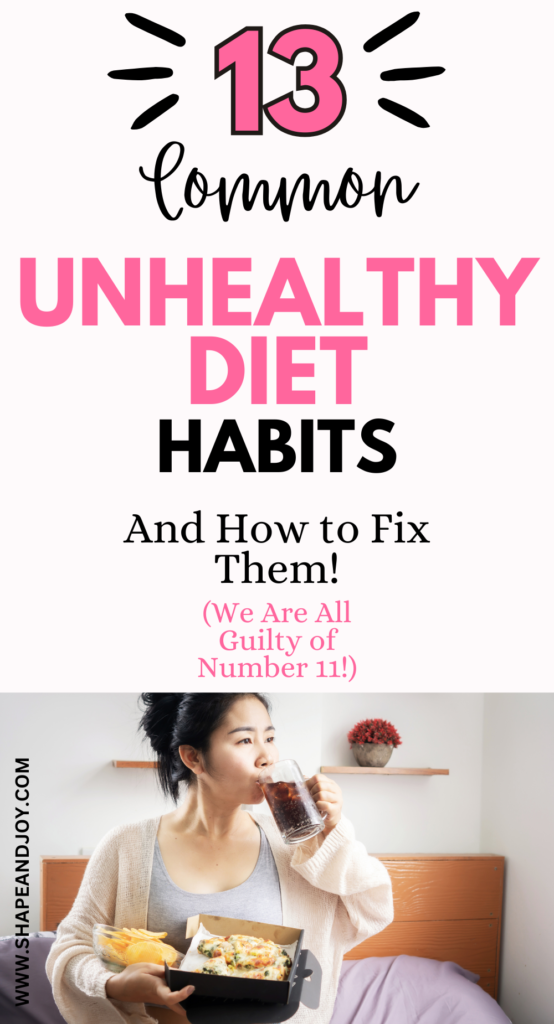
Let’s be real—feeling stuck in the cycle of an unhealthy diet can feel like being caught in a food tornado.
You’ve got habits you know aren’t doing you any favours, but figuring out where to start? That’s a whole different ballgame.
Maybe you skip meals because life’s a whirlwind, or you find yourself devouring an entire pizza after a long day at work.
It’s easy to feel overwhelmed, isn’t it?
Here’s the good news: you don’t need to be perfect. Small, manageable changes can have a massive impact.
Trust me, you’re just a few tweaks away from creating a healthier and more balanced relationship with food.
So, let’s dive into 13 common unhealthy diet habits and, more importantly, how to fix them—one simple step at a time.
1. Skipping Breakfast
Let’s start with the age-old problem of skipping breakfast.
You wake up, rush through your morning routine, and tell yourself you’ll grab something later.
But let’s be honest, later rarely happens. By mid-morning, you’re starving, cranky, and reaching for the first sugary snack you can find.
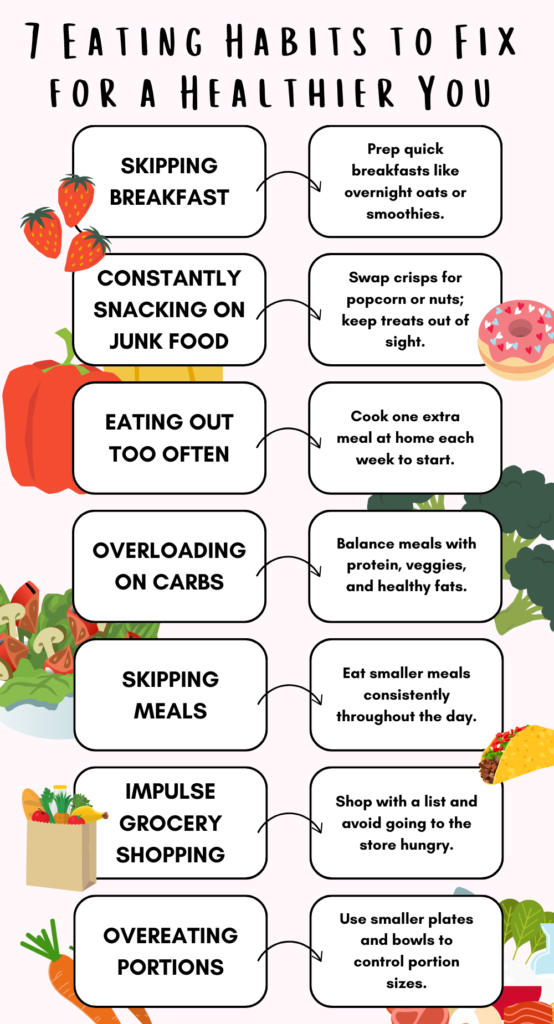
Fix it: The solution here is all about preparation. Quick, balanced breakfasts like overnight oats, Greek yoghurt with berries, or a protein-packed smoothie can save the day. Spend a few minutes the night before getting everything ready, so you can grab and go in the morning without even thinking about it.
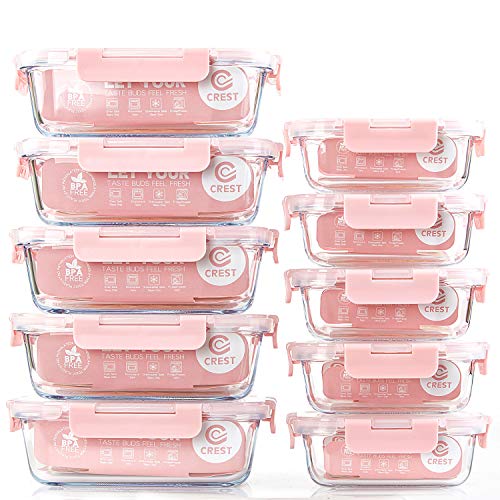
Glass Jars with Bamboo Lids
Okay, you need these overnight oats jars in your life. They’ve got a lid and even come with a spoon, so you can grab and go without any faff!
Buy Now
I earn a commission if you make a purchase, at no additional cost to you. It's one of the ways I support my blog 🙂
03/05/2026 12:12 am GMT
Why it matters: Starting your day with a proper breakfast sets the tone for the rest of your meals. You’ll feel more energised, less likely to snack, and ready to take on whatever the day throws at you.
2. Constantly Snacking on Junk Food
Picture this: it’s mid-afternoon, and you’re peckish. Instead of reaching for something nourishing, you grab a packet of crisps or a chocolate bar because, well, they’re easy and comforting.
We’ve all been there. And sometimes you need a little treat. But the problem is, these snacks don’t keep you full for long, and they add unnecessary calories to your day.
Fix it: Swap out the junk for snacks that actually fuel your body. Keep nuts, or fresh fruit on hand instead. And here’s a sneaky trick: put treats out of sight! If you have to dig through three drawers to find a biscuit, you’re less likely to bother.
Why it matters: Choosing better snacks helps you stay satisfied between meals and keeps your energy levels steady. Plus, you’ll feel way less guilty when snack time rolls around.
3. Eating Out Too Often
It’s been a long day, you’re knackered, and the idea of cooking feels like an extreme sport.
So, you default to takeaway or eating out.
While there’s nothing wrong with treating yourself, doing this too often can wreak havoc on your healthy eating goals—not to mention your bank account.
Fix it: Start small by cooking just one extra meal at home each week. Plan ahead, pick simple recipes, and don’t overthink it. Even a quick stir-fry with some veg, protein, and noodles can be a game-changer.
Why it matters: Cooking at home not only gives you control over what goes into your meals but also helps you establish healthier habits over time. Plus, leftovers are a lifesaver for lunch the next day!
4. Not Reading Food Labels
Have you ever picked up a “low-fat” yoghurt or a so-called “healthy” granola bar, only to realise later it’s packed with sugar?
Food labels can be sneaky, and not knowing what you’re eating can derail even the best intentions.
Fix it: Take an extra minute to read the labels before you pop something into your trolley. Look for shorter ingredient lists with words you actually recognise. And if sugar is one of the first few ingredients? Maybe give it a pass.
Why it matters: Understanding what’s in your food helps you make better choices and avoid hidden nasties like added sugars or unhealthy fats. Knowledge is power, after all.
5. Late-Night Binging
You’ve had dinner, but somehow you find yourself standing in front of the fridge at 10 pm, nibbling on leftovers or raiding the snack cupboard.
Sound familiar?
Late-night binging often happens because we’re bored, tired, or stressed—not because we’re actually hungry.
Fix it: Set a boundary by “closing the kitchen” after dinner. Tell yourself that once the plates are cleared, the kitchen is officially off-limits.
If you’re genuinely hungry, go for a lighter option like a small handful of nuts or some fruit. But remember that every so often, a slice of cake after dinner isn’t going to do an harm.
Why it matters: Cutting out late-night snacks can help you sleep better and prevent unnecessary calorie intake. Plus, it feels good to wake up without that post-binge guilt.
📌 Pin this for later! ⬇
6. Emotional Eating
Bad day at work? Argument with your partner?
Emotional eating often sneaks up when we’re feeling low.
Food becomes a source of comfort, but it’s a temporary fix that doesn’t actually address the underlying emotions.
Fix it: Next time you feel the urge to snack, pause for a moment. Ask yourself: “Am I hungry, or am I just stressed, sad, or bored?” If it’s the latter, try a different coping strategy—like journaling, calling a friend, or even finding a new hobby.
Why it matters: Learning to manage your emotions without food is a game-changer for both your mental and physical health.
7. Overloading on Carbs
I am not the person to tell you to cut out carbs, I have pasta at least 3 times a week—but when your meals are all bread, pasta, and rice with nothing else in sight, it’s easy to overdo it.
Too many carbs without protein or fats can leave you feeling hungry again in no time.
Fix it: Aim for balance in every meal. Combine your carbs with a source of protein (like chicken or tofu), healthy fats (like avocado or olive oil), and plenty of veg.
Think of your plate as a puzzle, with all the pieces working together to keep you full and satisfied.
Why it matters: Balanced meals help stabilise your blood sugar levels, so you’ll feel energised and avoid the dreaded mid-afternoon slump.
8. Skipping Meals
Skipping meals might seem like a shortcut to weight loss, but it’s a very common unhealthy diet habit.
By the time your next meal rolls around, you’re so hungry you could eat an entire pizza—and then you do.
Fix it: Commit to eating three balanced meals a day, even if they’re smaller. If your schedule is hectic, plan your meals in advance and have healthy options ready to go.
Why it matters: Eating consistently helps regulate your metabolism and prevents the binge-restrict cycle that can leave you feeling miserable.
9. Drinking Your Calories
From sugary lattes to fizzy drinks, calories from beverages can sneak into your day without you even realising it.
They don’t fill you up, but they do add up quickly.
Fix it: Stick to water, herbal teas, or black coffee. If plain water feels boring, jazz it up with a slice of lemon or some squash.
Why it matters: By cutting back on sugary drinks, you’ll save hundreds of calories a week without even trying. Plus, you’ll feel more hydrated and energised.
10. Impulse Grocery Shopping
We’ve all been there—popping into the shop for “just one thing” and leaving with a trolley full of snacks you didn’t need.
Impulse shopping often leads to a kitchen stocked with treats but no real meals.
Fix it: Plan your meals for the week and shop with a list. And whatever you do, don’t shop hungry—it’s a recipe for disaster.
Why it matters: Sticking to a plan means you’ll have everything you need for balanced, healthy meals, and you’ll waste less food (and money).
11. Mindless Eating
Ever found yourself munching through a pack of Custard Creams while watching TV, only to realise the bag’s empty and you don’t even remember eating it?
That’s mindless eating for you—it sneaks up on the best of us.
Fix it: Practise mindful eating. Turn off distractions, sit down at the table, and truly focus on your food.
Take smaller bites, chew slowly, and actually savour the flavours. It’s not just healthier—it makes eating way more enjoyable.
Why it matters: When you pay attention to your meals, you’re more likely to notice when you’re full, which can help prevent overeating.
📌 Pin this for later! ⬇
12. Relying on Processed Foods
Let’s face it: processed foods are convenient.
And usually tasty.
But they’re often loaded with salt, sugar, and unhealthy fats, leaving your meals lacking in nutrients. They are the main culprits of an unhealthy diet.
Fix it: Gradually replace processed foods with whole, minimally processed options. For example, swap white bread for whole grain, and choose fresh fruit over sugary snacks.
Meal prepping can also help reduce reliance on ready meals when you’re short on time.
Why it matters: Whole foods provide the nutrients your body craves, keeping you full longer and improving your energy levels.
13. Overeating Portions
Even the healthiest food can work against you if you’re eating too much of it.
Oversized portions make it easy to consume more calories than your body needs.
Fix it: Use smaller plates and bowls to naturally control portion sizes. Before going back for seconds, give your body 10 minutes to decide if it’s actually still hungry.
And don’t forget to balance your plate—half veg, a quarter protein, and a quarter carbs is a great place to start.
Why it matters: Portion control is one of the simplest ways to maintain a healthy diet without feeling deprived.
Let’s Wrap This Up
Listen, no one gets it right all the time. Breaking unhealthy diet habits isn’t about being perfect; it’s about making small, consistent changes that add up over time.
Pick one habit from this list to focus on this week.
Just one.
Master that, and then move on to the next. You’ve got this, and I’m cheering you on every step of the way!
Got questions or want to share your progress? Drop a comment—I’d love to hear from you!
📌 Pin this for later! ⬇