How to Build a Running Routine as a Beginner (And Actually Stick to It)

Be honest—how many times have you thought, Right, that’s it, I’m going to start a running routine, only to find yourself three runs in, knackered, bored, and questioning every life choice that led you to this moment?
Maybe you started too fast, your stamina gave up before your motivation, or your endurance levels were so low that a light jog felt like climbing Everest. Sound familiar?
Here’s the thing—running for beginners isn’t about going all out from day one and hoping for the best. If you don’t have a plan (and let’s be real, most people don’t), you’ll either burn out, get injured, or decide that the treadmill is actually just a fancy clothes rack.
But here’s the good news: you can build a running routine that actually sticks, improves your cardio fitness, and gets you feeling like a proper runner—without feeling like death every time you lace up.
This guide will show you exactly how to build a running routine that sticks, so you can stay on track, avoid burnout, and actually enjoy your runs.
- Step 1: Set a Clear, Realistic Goal
- Step 2: Create a Running Schedule That Works for YOU
- Step 3: Start Slow & Build Up Gradually
- Step 4: Make Running Enjoyable
- Step 5: Avoid Burnout & Injuries
- Step 6: Stay Consistent & Track Progress
- Final Thoughts: Stick With Your Running Routine and Trust the Process
Step 1: Set a Clear, Realistic Goal
Before you start, ask yourself—why are you running?
- Do you want to build endurance and run longer without stopping?
- Are you running for weight loss and trying to stay in a calorie deficit?
- Is your goal to run a 5K, 10K, or just be consistent with exercise?
Your goal determines your running plan. If you don’t have a goal, it’s easy to lose motivation. Keep it specific and achievable—instead of “I want to run more,” say, “I want to run 3 times a week for the next month.”
Step 2: Create a Running Schedule That Works for YOU
One of the biggest mistakes beginners make? Winging it. If you don’t schedule your runs, you’ll keep putting them off until suddenly… a week has passed, and you haven’t run at all.
Here’s how to lock in your running routine:
- Pick your running days—start with 3 days per week to keep it manageable.
- Choose a set time—morning, lunch break, evening… whatever works. Just be consistent.
- Plan your routes—knowing where you’ll run removes last-minute decision fatigue.
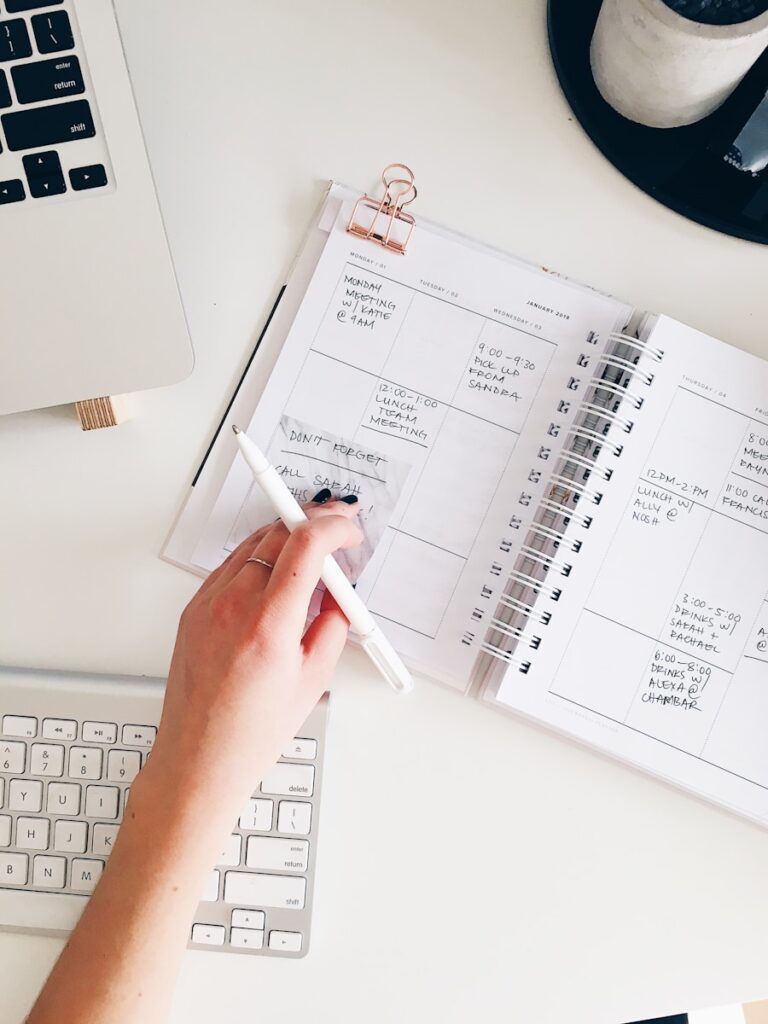
- Track your progress—use an app, journal, or running watch to stay accountable.
Your schedule should fit your life, not the other way around. If you’re a morning person, get it done before the day gets busy. If you’re more of a night owl, an evening run might suit you better.

Step 3: Start Slow & Build Up Gradually
Another mistake? Going too hard, too soon. Your body needs time to adjust, so your first few weeks should be about building a base, not breaking records.
Follow this beginner-friendly running plan:
Weeks 1-2: Walk-Run Intervals
- Run for 30-60 seconds, then walk for 1-2 minutes. Repeat for 20-30 minutes.
- Focus on breathing properly and finding a comfortable pace.
- Run 3-4 times per week to start building consistency.
Weeks 3-4: Increase Running Time
- Run for 2-3 minutes, then walk for 1 minute (repeat for 30 minutes).
- Start focusing on good running form—keep shoulders relaxed, take short strides.
- Try one longer run each week (aim for 40-45 minutes).
Remember, slow progress is still progress. The goal is to make running feel easier over time—not to exhaust yourself in the first week.
📌 Pin this for later! ⬇

Step 4: Make Running Enjoyable
If you hate every second of your run, guess what? You won’t stick with it. The secret to a lasting routine is making running something you actually look forward to.
Here’s how to make it fun:
- Listen to music or podcasts—build a playlist that pumps you up or find an inspiring podcast to keep your mind engaged.
- Find a scenic route—running in a dull area can be uninspiring. Parks, trails, and waterfronts make a difference.
- Run with a friend—if solo running feels lonely, having a running buddy can keep you accountable.
- Reward yourself—celebrate progress! It could be a new pair of leggings after a month of consistency or just the feeling of getting stronger.
The more you enjoy running, the more likely you are to stick with it.
Step 5: Avoid Burnout & Injuries
Nothing kills a running routine faster than pain, injuries, or exhaustion. If you’re constantly sore or feel like running is a struggle, you’re more likely to quit.
How to avoid burnout & injuries:
- Listen to your body—soreness is normal, sharp pain is not. Take rest days when needed.
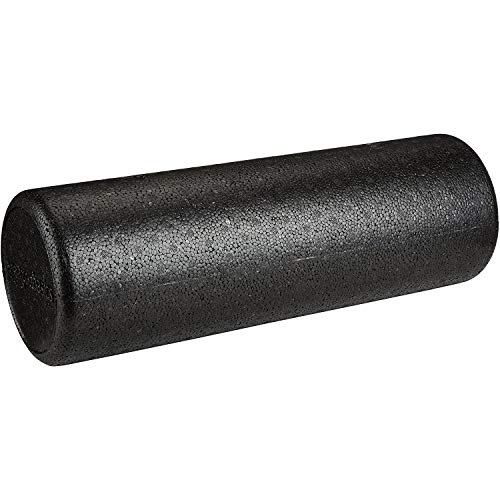
- Stretch & foam roll—five minutes of stretching can save you from stiff, aching muscles.
- Cross-train—strength training, cycling, or yoga can improve your running performance.
- Wear proper running shoes—bad shoes = bad knees. Get fitted for the right pair.
If running always feels painful or exhausting, something is off—adjust your pace, rest when needed, and make sure you’re fuelling your body properly. Check out my post ‘6 Common Running Mistakes Beginners Make (And How to Fix Them Before You Get Injured!)‘ for some more help with this!
Step 6: Stay Consistent & Track Progress
The secret to a long-term running routine? Consistency. You won’t always feel motivated, and that’s fine—because a solid routine means you run even when you don’t feel like it.
- Use a running app—seeing your stats improve over time is a huge motivator.
- Keep a training journal—write down how you feel after each run.
- Set small milestones—run for 10 minutes straight, complete a 5K, or hit a pace goal.
- Give yourself grace—some runs will feel amazing, others will feel terrible. That’s normal.
The key is to just keep showing up—before you know it, running will feel like a normal, natural part of your routine.
The Ultimate Running Resource Hub – Everything You Need in One Place!
Looking for the best running tips, training plans, gear recommendations, and nutrition advice? This is your one-stop guide to starting strong, improving performance, preventing injuries, and staying motivated. Whether you’re a beginner or looking to level up your runs, these posts will help you every step of the way!
- The Ultimate Running Guide: Tips, Training & Gear
- How to Build a Running Routine That You’ll Actually Stick To
- Common Running Mistakes Beginners Make (And How to Fix Them)
- How to Run When Overweight: A Guide for Beginners
- Running for Weight Loss: How to Maximise Fat Burn
- Running Nutrition: How to Fuel Your Runs Based on Your Goals
- Breathing Techniques for Running: How to Run Without Getting Winded
- How to Prevent & Recover from Running Injuries
- Best Running Shoes for Beginners
Final Thoughts: Stick With Your Running Routine and Trust the Process
Building a running routine that sticks isn’t about having perfect motivation every day—it’s about creating habits that make running feel like a normal part of your life.
- Set a realistic goal and follow a beginner-friendly plan.
- Stick to a consistent schedule so running becomes a habit.
- Start slow, build gradually, and avoid injuries.
- Make running enjoyable, track progress, and celebrate small wins.
You’ve got everything you need—now get out there and start running!
📌 Pin this for later! ⬇
















![Glute Ham Slider [Bells of Steel] Multi-Function Glute Machine](https://m.media-amazon.com/images/I/41ZwKCgIwkL._SL500_.jpg)