This post may contain affiliate links, which means that I may earn a commission if you click on the link, with no cost for you. It’s one of the ways I support my blog. You can read more about this here.
Whole Food Diet advice is everywhere, yet somehow, it’s left most people more confused than confident. One minute you’re told to “just eat whole foods,” and the next you’re side-eyeing a loaf of bread like it’s personally betrayed you.
Sound familiar? If you’ve ever felt overwhelmed, guilty, or stuck trying to “eat better,” you’re not the problem, the messaging is.
In this post, we’re cutting through the noise. I’ll explain what a Whole Food Diet actually means in real life, why it doesn’t require perfection, and how eating non processed foods can feel easier (and more enjoyable) than you’ve been led to believe.
We’ll also talk about where processed foods fit, why extremes backfire, and how to start without flipping your entire kitchen upside down.
So, kettle on and shoulders down, let’s get into what a Whole Food Diet really looks like, minus the nonsense.
- Why “Eat Whole Foods” Feels So Overwhelming
- What People Think a Whole Food Diet Means (And Why That’s the Problem)
- What a Whole Food Diet Actually Means in Real Life
- The Real Issue Isn’t Processed Foods – It’s Ultra-Processed Ones
- Why You Don’t Need to Cut Everything Out to Be Healthy
- How to Make Whole-Food Eating Feel Easier This Week
- Conclusion
Why “Eat Whole Foods” Feels So Overwhelming
First things first: if “whole foods” makes your brain short-circuit, that’s completely understandable. After all, social media has turned unprocessed food into a competitive sport.
One scroll and suddenly you’re convinced everyone else is fermenting their own vegetables and churning butter at dawn.
However, this overwhelm usually comes from mixed messages. On one hand, you’re told to avoid all processed foods. On the other, you’re expected to live in the real world. with work, kids, budgets, and the occasional biscuit. No wonder it feels impossible.
Because of that, many people either go all-in (and burn out) or give up entirely. Neither option helps. What does help is understanding what the goal actually is, and spoiler alert: it’s not perfection.
If you want help eating fewer ultra-processed foods without sacrificing flavour or enjoyment, then I recommend The Unprocessed Plate by Rhiannon Lambert. It’s ideal if you’re fed up with the idea that eating unprocessed means bland meals or hours in the kitchen. This book focuses on realistic, satisfying food that supports a whole-food approach while still fitting into normal, busy life.

What People Think a Whole Food Diet Means (And Why That’s the Problem)
For many, a Whole Food Diet sounds like a no processed food diet where everything must be raw, organic, and cooked from scratch. Bread? Banned. Cheese? Questionable. Anything with a label? Absolutely not.
But here’s the thing: that version is wildly unrealistic. More importantly, it turns food into a source of stress rather than nourishment. When rules get too rigid, consistency goes out the window.
As a result, people end up stuck in an all-or-nothing loop, “perfect” weekdays, chaotic weekends, and a constant feeling of failure. That’s not health. That’s exhaustion.
This is exactly why it helps to understand the difference between processing and ultra-processing, which we’ll touch on properly in Processed Foods List: What to Limit (And Why It’s Not All or Nothing).
📌 Pin this for later! ⬇
What a Whole Food Diet Actually Means in Real Life
So, let’s reset.
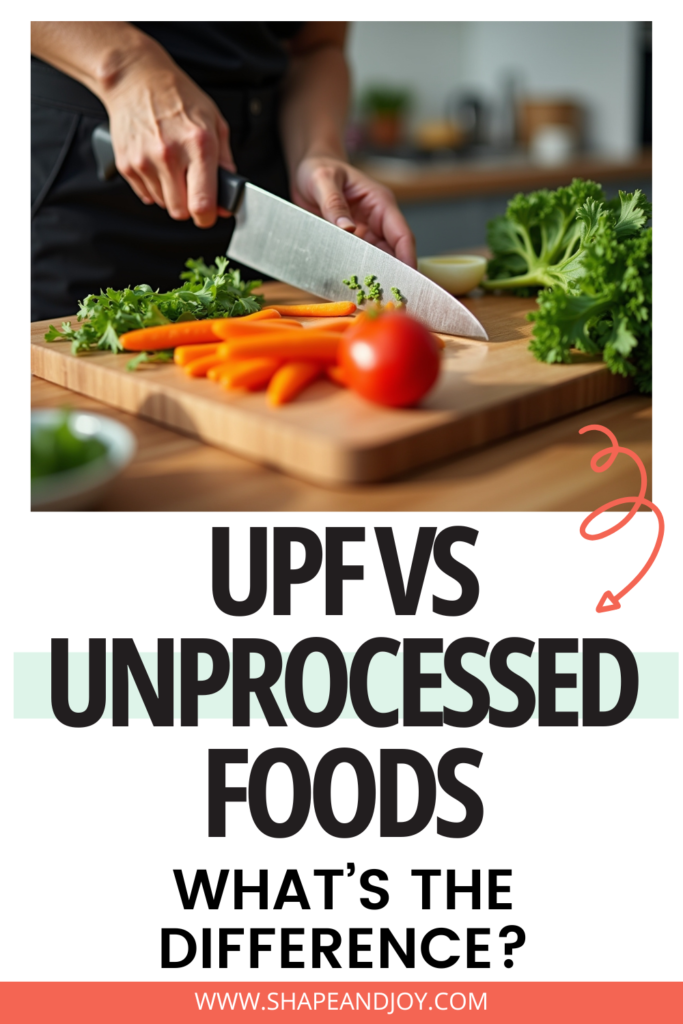
A Whole Food Diet simply focuses on foods that are close to their natural state most of the time. Think foods you recognise, with ingredients you can pronounce, that still look vaguely like what they started as.
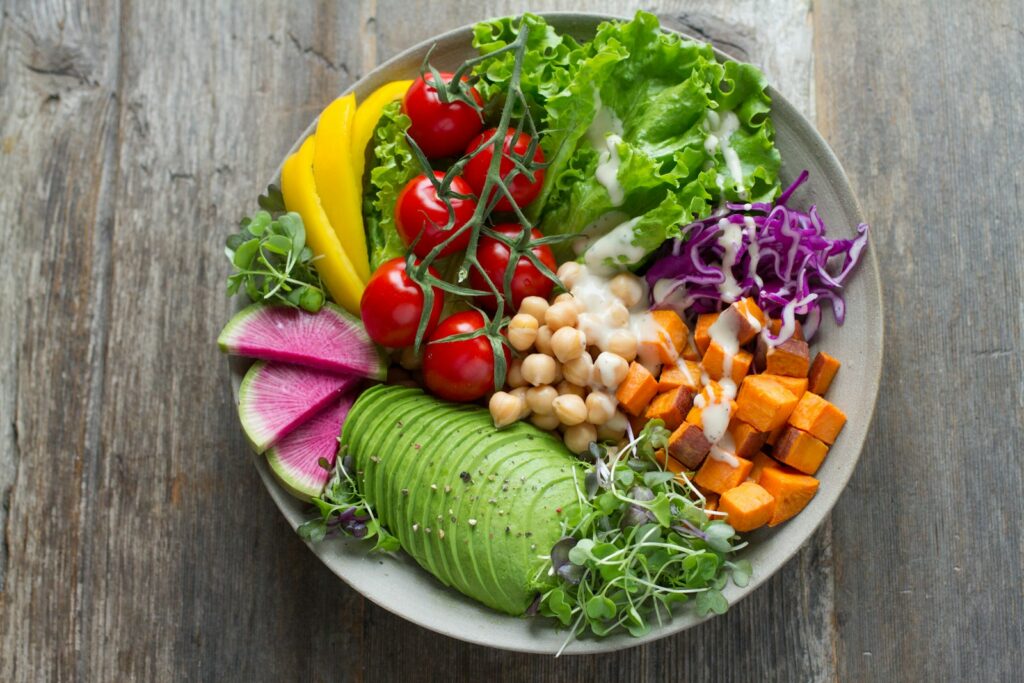
That includes plenty of non processed foods like fruit, vegetables, eggs, beans, grains, meat, and dairy, but it also includes foods that have been minimally changed to make them edible, safe, or convenient.
Cooking, freezing, blending, and fermenting all count as normal processing.
In other words, eating non processed foods doesn’t mean eating like a Victorian peasant. It means prioritising real food most of the time, while leaving room for life.
If you want reassurance here, Minimally Processed Foods List: What Still Counts as Real Food is a must-read next.
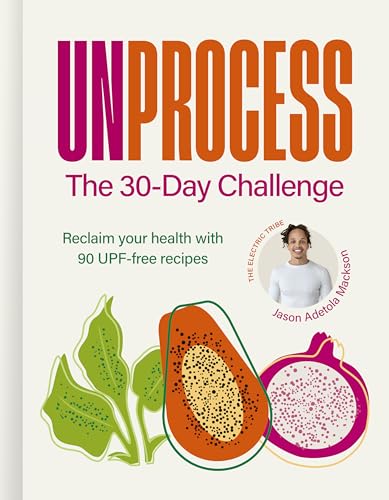
If you want structure, clarity, and a clear starting point for reducing ultra-processed foods, then I recommend Unprocess: The 30-Day Challenge by Jason Adetola Mackson. The 30-day format is especially helpful if you thrive with a plan to follow rather than vague advice. It offers guidance and momentum without pushing perfection or extreme rules.
The Real Issue Isn’t Processed Foods – It’s Ultra-Processed Ones
Here’s where things usually click.
The problem isn’t processing itself, it’s ultra-processing. These are foods designed to be hyper-palatable, easy to overeat, and low in fibre and protein. They’re engineered for profit, not fullness.
That doesn’t mean you can never have them. It simply means they work best as sometimes foods, not everyday staples. When ultra-processed foods dominate your diet, hunger cues get messy and energy dips follow.
For a clear, non-scary breakdown, Processed Foods List: What to Limit (And Why It’s Not All or Nothing) walks through this without the food fear.
Why You Don’t Need to Cut Everything Out to Be Healthy
Let’s say this louder for the people at the back: you do not need a zero tolerance approach.
A strict no processed food diet might look impressive on Instagram, but in real life it often leads to burnout, binge-restrict cycles, and a very joyless existence. Health isn’t built on purity, it’s built on patterns.
That’s why a flexible Whole Food Diet works better long-term. You focus on what you eat most of the time, not what you eat some of the time. If perfection has ever tripped you up before, Zero Processed Food Diet: Why You Don’t Need to Be Perfect will feel like a deep exhale.
How to Make Whole-Food Eating Feel Easier This Week
Rather than changing everything, start small. For example, you might build meals around a protein, add fibre where you can, and swap one ultra-processed snack for something more filling.
Equally important, keep convenience on your side. Frozen veg, pre-washed salads, tinned beans, all fair game. Progress comes from repetition, not heroics.
If you want a simple, realistic starting point, How to Avoid Processed Foods Without Overhauling Your Entire Diet breaks this down step by step.
If you want to understand why ultra-processed foods are so hard to resist, and why this isn’t a willpower issue, then I recommend Ultra-Processed People by Chris van Tulleken. This book is perfect if you like evidence-based explanations and want to make sense of how food marketing, formulation, and psychology shape our eating habits.

Read These Next
- Processed Foods List: What to Limit (And Why It’s Not All or Nothing)
- Minimally Processed Foods List: What Still Counts as Real Food
- How to Avoid Processed Foods Without Overhauling Your Entire Diet
- Zero Processed Food Diet: Why You Don’t Need to Be Perfect
Conclusion
A Whole Food Diet isn’t about cutting out joy or chasing perfection. Instead, it’s about choosing real, nourishing food more often, and letting go of the rest. Keep it flexible, keep it realistic, and you’ll stay consistent far longer than any rigid rulebook ever could.
Next Steps
“Consistency beats perfection, especially when real life gets involved.”
Read This Next: Processed Foods List: What to Limit (And Why It’s Not All or Nothing)
📌 Pin this for later! ⬇