This post may contain affiliate links, which means that I may earn a commission if you click on the link, with no cost for you. It’s one of the ways I support my blog. You can read more about this here.
A processed foods list can feel like a moral judgement disguised as nutrition advice, one glance and suddenly you’re wondering if your lunch is “allowed” or if you’ve failed before 10am. Sound familiar?
If processed food has ever made you feel guilty, confused, or stuck in an all-or-nothing spiral, you’re not alone.
In this post, we’re taking the pressure off. I’ll walk you through a realistic processed food list, not to scare you, but to help you decide what’s worth limiting most of the time, and what doesn’t deserve the drama.
We’ll look at common categories people struggle with, explain why some foods are harder to manage than others, and, crucially, why chasing perfection usually backfires.
Before we dive into the list itself, it helps to zoom out. If you want the bigger picture of where processed foods sit alongside whole and minimally processed foods, Whole Food Diet: What Unprocessed & Non-Processed Foods Really Mean is the perfect companion read.
Now, kettle on, let’s get into this Processed Foods List with a bit of common sense and zero shame.
- 1. Ultra-Processed Snack Foods Designed to Be Overeaten
- 2. Sugary Drinks and “Liquid Calories”
- 3. Highly Processed Ready Meals With Minimal Protein or Fibre
- 4. Processed Foods With a Health Halo
- 5. Ultra-Processed Baked Goods and Desserts
- 6. Processed Meats and Highly Refined Protein Products
- 7. Foods That Trigger an All-or-Nothing Mindset
- What Actually Matters More Than the Processed Foods List
- Conclusion
1. Ultra-Processed Snack Foods Designed to Be Overeaten
Think crisps, sweets, chocolate bars, and snack foods that come with a “family sharing” label but mysteriously vanish in one sitting. These foods are engineered to be moreish, which means stopping isn’t about willpower, it’s about biology.
And honestly? I’m exactly the kind of person these foods are designed for. Put a sharing bag of crisps near me and I’ll suddenly forget how sharing works entirely.
So if you’ve ever polished something off and thought, “How did that even happen?”, you’re in very good company.
That’s why they often top any list of processed foods to avoid when you’re trying to eat more intentionally. This doesn’t mean “never again.” It simply means noticing how often they show up and how they make you feel afterwards.
If you’re curious about why these foods are so hard to resist, Ultra-Processed People: Why We Can’t Stop Eating Food That Isn’t Food is a brilliant, eye-opening read that explains the science without blaming you.

Common examples include:
- Crisps and flavoured popcorn
- Chocolate bars and sweets
- Biscuits and packaged cookies
- Protein bars with long ingredient lists
- Snack cakes and mini pastries
- Crackers made with refined oils
- “Sharing” bags of sweets
- Ultra-processed cereal bars
2. Sugary Drinks and “Liquid Calories”
Next up on the processed food list: sugary drinks. Fizzy drinks, energy drinks, sweetened coffees, they’re easy to consume and surprisingly unsatisfying.
Because they don’t require chewing and lack fibre, they tend to bypass fullness cues. As a result, they often add calories without reducing hunger later. Swapping even one daily sugary drink can make a noticeable difference, without touching your actual meals.
Examples to be mindful of:
- Fizzy drinks (regular, not diet)
- Energy drinks
- Sweetened iced teas
- Flavoured milk drinks
- Shop-bought smoothies with added sugar
- Syrup-heavy coffee shop drinks
- Sweetened fruit juices
- Sports drinks used outside training
📌 Pin this for later! ⬇
3. Highly Processed Ready Meals With Minimal Protein or Fibre
Not all ready meals are villains, but some earn their spot on a process food list to avoid because they’re low in protein, low in fibre, and high in refined carbs.
And yes, this is coming from someone who has absolutely relied on a beige microwave meal at the end of a long day when the idea of cooking felt like climbing Everest. Sometimes convenience wins, and that’s okay.
The issue comes when these meals don’t keep you full. When that happens, you’re more likely to snack later, not because you’re “greedy,” but because your body still needs fuel.
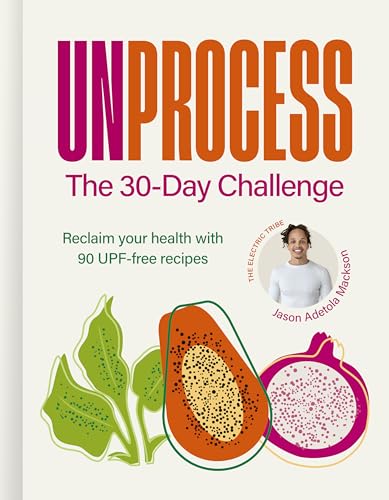
If this feels familiar, Unprocess: The 30-Day Challenge: Reclaim Your Health with 90 UPF-Free Recipes offers gentle structure and ideas for moving away from ultra-processed meals without going full domestic goddess.
Examples include:
- Low-protein microwave pasta meals
- Instant noodles and noodle pots
- Frozen pizzas with minimal toppings
- Ready meals heavy on white rice or sauce
- Ultra-processed frozen dinners
- Meal deals built around refined carbs
- Low-calorie meals lacking protein
4. Processed Foods With a Health Halo
This is where things get sneaky. Foods labelled “low fat,” “high protein,” or “plant-based” can still be highly processed. Marketing often makes them look virtuous, even when they don’t keep you satisfied.
And I’ll be honest, I’ve fallen for this more times than I care to admit. I’ve absolutely picked something because it sounded healthy, only to be rummaging for snacks an hour later wondering what went wrong.
Rather than banning these foods outright, it helps to understand where they sit. For reassurance (and a deep exhale), Minimally Processed Foods List: What Still Counts as Real Food is a great reminder that not all processing is bad, and you don’t need to eat like a forager to be healthy.
Common health-halo foods:
- Low-fat flavoured yoghurts
- Protein bars and protein puddings
- Plant-based meat alternatives
- “Healthy” breakfast cereals
- Fat-free snack foods
- Fortified snack products
- Ultra-processed vegan foods

5. Ultra-Processed Baked Goods and Desserts
Packaged cakes, pastries, and biscuits are classic entries on a list of processed foods to avoid when they become everyday staples. They’re quick energy, yes, but rarely filling.
Now, listen… I love a sweet treat more than most. I can absolutely demolish a pack of biscuits without a second thought, especially with a cuppa in hand. So this is not coming from a place of restriction or “never eat dessert again” nonsense.
That said, when these foods become automatic, grabbed without thinking, eaten without enjoyment, they can quietly crowd out more nourishing foods. Enjoyed intentionally, though? They’re part of life. Balance is the goal here, not a lifetime ban or food guilt.
Examples include:
- Packaged cakes and cupcakes
- Shop-bought pastries
- Biscuits and cookies
- Sweet baked bars
- Doughnuts
- Traybakes and slices
- Individually wrapped desserts
6. Processed Meats and Highly Refined Protein Products
Sausages, nuggets, and deli meats land on many versions of a processed food list because of additives and lower nutrient density. However, frequency matters far more than elimination.
If these foods help you get protein in on busy days, that counts for something. If you want inspiration for shifting toward simpler, flavourful alternatives, The Unprocessed Plate: Simple, Flavorful UPF-Free Recipes to Transform Your Life shows how unprocessed food can still feel comforting and satisfying.

Examples include:
- Sausages and hot dogs
- Chicken nuggets
- Breaded fish products
- Deli meats and sliced ham
- Processed burger patties
- Meatballs with fillers
- Reformed meat products
7. Foods That Trigger an All-or-Nothing Mindset
Here’s the real kicker: the most damaging item on any Processed Foods List isn’t a food, it’s the belief that you must avoid them perfectly.
When a no processed foods ever rule creeps in, it often leads to restriction, rebellion, and starting over on Monday. If this sounds familiar, Zero Processed Food Diet: Why You Don’t Need to Be Perfect is a must-read to break that cycle.
Common “trigger foods” (mentally):
- Chocolate
- Bread
- Crisps
- Takeaways
- Desserts
- Holiday foods
- Social eating foods
What Actually Matters More Than the Processed Foods List
Instead of obsessing over a perfect processed food list to avoid, focus on patterns. What you eat most of the time matters far more than what you eat occasionally.
Ask yourself:
- Does this keep me full?
- Does it support my energy?
- Can I eat this without spiralling?
When the answers are mostly yes, you’re doing just fine.
Read These Next
- Whole Food Diet: What Unprocessed & Non-Processed Foods Really Mean
- Minimally Processed Foods List: What Still Counts as Real Food
- Zero Processed Food Diet: Why You Don’t Need to Be Perfect
Conclusion
A Processed Foods List isn’t a rulebook, it’s a tool. Used gently, it helps you make informed choices. Used rigidly, it creates stress. Aim for awareness, not avoidance, and remember: consistency beats perfection every single time.
Next Steps
“You don’t need perfect choices, you need repeatable ones.”
Read This Next: Minimally Processed Foods List: What Still Counts as Real Food
📌 Pin this for later! ⬇