This post may contain affiliate links, which means that I may earn a commission if you click on the link, with no cost for you. It’s one of the ways I support my blog. You can read more about this here.
If you’ve ever tried adding more high fiber foods to your meals and ended up feeling bloated, gassy, or ready to swear off beans for life… you’re not alone, love.
Most people jump straight in, pile their plate with “healthy foods that keep you full,” and then wonder why their stomach sounds like a confused dishwasher.
The truth? Fiber is brilliant for digestion, fullness, energy, hormones, all of it, but only when you introduce it the right way. And that’s exactly what we’re doing today.
This beginner-friendly guide walks you through ten simple, no-nonsense tips to boost your fiber intake without the pain, puffiness, or panic. You’ll learn how high fiber foods actually work, how to avoid the dreaded bloat, and how to build good fiber meals that fit your life.
Right, cuppa in hand? Let’s get into the good stuff.
- What Even Is Fiber, and Why Does It Matter? (The Simple Version)
- 1. Start Slow: Increasing Fiber Too Fast Is the #1 Beginner Mistake
- 2. Hydration Matters More Than You Think
- 3. Soluble vs Insoluble: The Two Types of High Fiber Foods You Need to Know
- 4. Add One High-Fiber Food to Each Meal (Instead of Changing Everything at Once)
- 5. Choose High-Fiber Foods That Don’t Usually Cause Bloating
- 6. Pair Fiber With Protein to Stay Full for Hours
- 7. Make Easy High-Fiber Swaps You’ll Barely Notice
- 8. Cook Your Fiber for Better Digestion
- 9. Use “Invisible Fiber Boosters” for an Easy Win
- 10. Build Balanced High-Fiber Meals With the 1-1-1 Rule
- Conclusion
What Even Is Fiber, and Why Does It Matter? (The Simple Version)
Before we dive into all the clever swaps and sneaky tricks, let’s get on the same page about what fiber actually is. Fiber is the part of plant foods your body can’t fully digest, and that’s a good thing.
It keeps your gut happy, your digestion regular, your blood sugar steadier, and your hunger levels far less chaotic. It’s basically the unsung hero of healthy eating, even though no one gets excited about a bag of lentils.
And most of us aren’t getting anywhere near enough. The recommended daily amount? Around 25g a day for women and 30g for men… yet the average person barely scrapes 15g.
No wonder everyone feels sluggish, bloated, and starving two hours after lunch.
The good news? With a few small tweaks, hitting your daily fibre goal is much easier than you think, and you can absolutely do it without feeling like a balloon about to float off into the sunset.
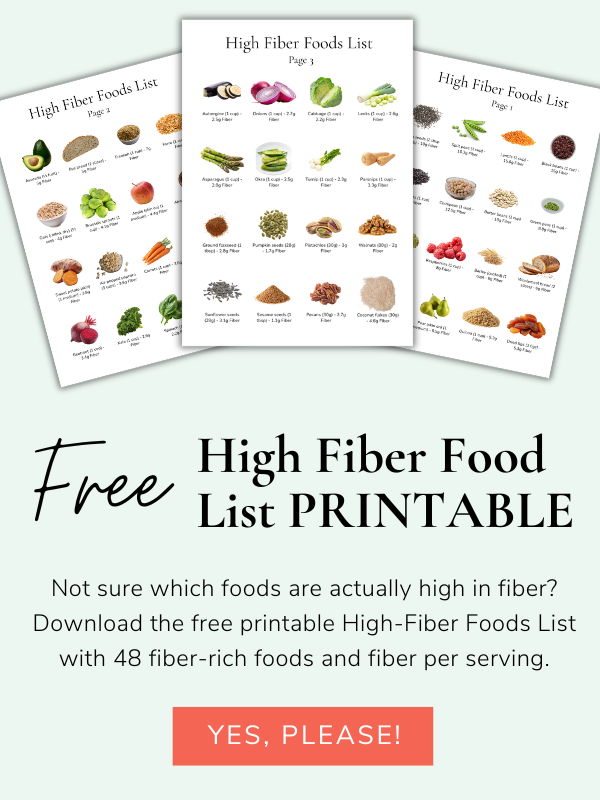
Want a full list of high-fiber foods? Check out 70 High Fiber Foods: The Ultimate List of Fiber Rich Foods for Easy, Filling Meals
1. Start Slow: Increasing Fiber Too Fast Is the #1 Beginner Mistake
Most people go from a low-fiber diet to eating lentils like they’re training for the Olympics. No wonder the bloat shows up. Your gut bacteria need time to adjust, so think gradual, not gung-ho. Add 3–5g a day, max.
If you’ve struggled with discomfort before, you’ll love Eating More Fiber Without the Bloat: The Gentle High-Fiber Guide for Sensitive Stomachs.
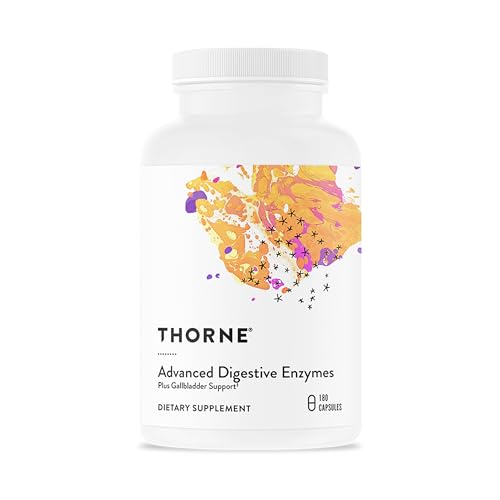
If you’re really nervous about bloating, a gentle digestive enzyme can help during the first week while you’re building up your fibre. Not essential, just helpful.
2. Hydration Matters More Than You Think
When you increase fiber, you must increase fluids. Otherwise? That slow, heavy, “why am I like this?” feeling kicks in. Water helps fiber move through your system, making digestion smoother and far less dramatic.
3. Soluble vs Insoluble: The Two Types of High Fiber Foods You Need to Know
- Soluble fibre = forms a gel, keeps you fuller for longer, great for blood sugar.
- Insoluble fibre = adds bulk, keeps things moving, helps prevent constipation.
You need both, and choosing the right mix makes a massive difference. This also sets you up nicely for exploring fiber and protein foods, which can help you feel full for hours.
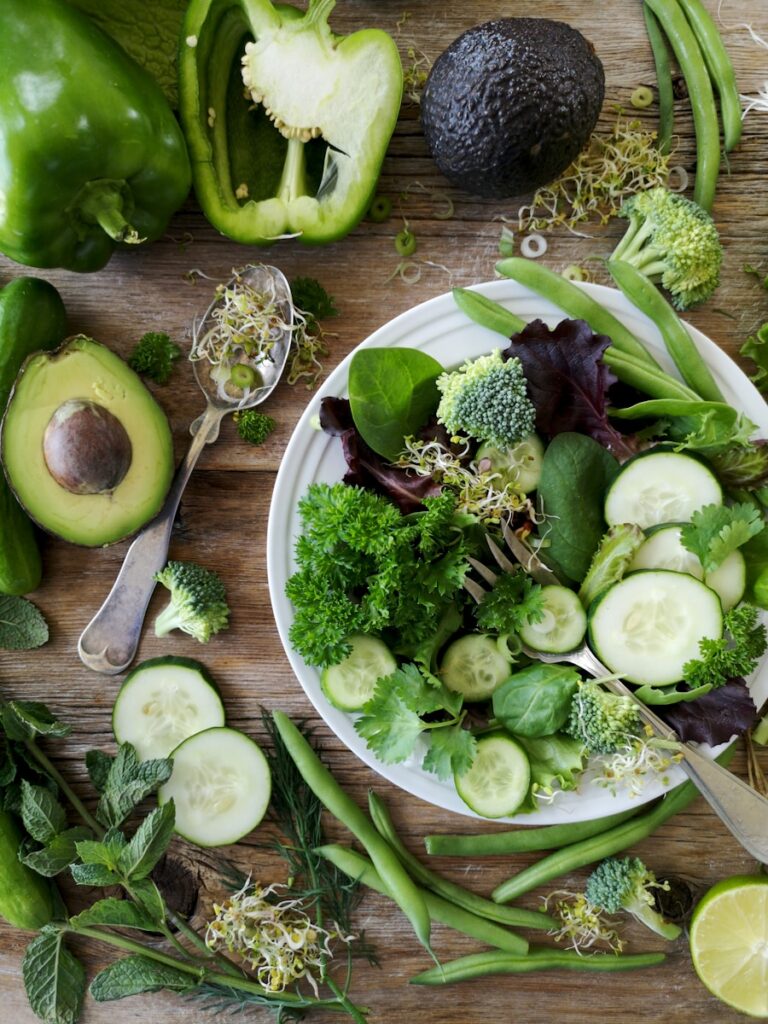
4. Add One High-Fiber Food to Each Meal (Instead of Changing Everything at Once)
Tiny tweaks lead to big wins. Think:
- White pasta → chickpea pasta
- Low-fiber cereal → oats
- Add berries, chia seeds, avocado
This “one swap per meal” rule makes meal planning with fiber-rich foods totally doable.
And once you’ve nailed the basics, High-Fiber Recipes That Actually Taste Amazing: 20 Easy Meals for Busy Weeknights will give you real meals to try.
5. Choose High-Fiber Foods That Don’t Usually Cause Bloating
Beginner-friendly picks include oats, quinoa, berries, chia, sweet potatoes, and cooked veg. Raw foods can be trickier, so go easy at first. These foods also form the base of loads of high fiber food recipes you’ll actually want to eat.
Want easy examples? Head to High-Fiber Recipes That Actually Taste Amazing: 20 Easy Meals for Busy Weeknights.
📌 Pin this for later! ⬇
6. Pair Fiber With Protein to Stay Full for Hours
This combo is the secret sauce, especially if you’re trying to manage hunger and energy. Think lentils + chicken, beans + turkey mince, or oats + Greek yoghurt.
These healthy foods that keep you full also make fab lunch bowls and dinners. You’ll find even more ideas in your high-fiber high-protein recipe posts later on.
7. Make Easy High-Fiber Swaps You’ll Barely Notice
A few fan favourites:
- Add ground flaxseed to smoothies
- Sprinkle chia seeds on yogurt
- Use wholegrain wraps instead of white
- Swap half your rice for quinoa
These little boosts transform everyday meals into fiber-rich foods recipes without feeling like you’re living on birdseed.
Chia seeds are one of the easiest ways to sneak in more fiber, 1 tablespoon gives you around 5g without even trying.
8. Cook Your Fiber for Better Digestion
If raw veg leaves you feeling like a balloon animal, cook it instead. Roasting, steaming, simmering, anything that softens the fibre, makes digestion easier and reduces bloating.
Most fiber recipes healthy for beginners rely on cooked cabbage, beans, squash, and root veg for this reason.
9. Use “Invisible Fiber Boosters” for an Easy Win
These add 2–5g of fiber without changing flavour: chia, flax, hemp seeds, and psyllium. Stir them into soups, stews, porridge, smoothies, honestly, no one will ever know.
These boosters work beautifully alongside good fiber meals and make hitting your daily goals feel effortless.
If you prefer a quick, no-faff option, a greens powder can be a cracking addition. I really rate Amazing Grass Super Greens because it adds a small fiber bump, plus a mix of veggies you’d never catch me happily munching at 7am.
It blends into smoothies or yoghurt bowls without tasting like lawn clippings, and for busy women, it’s an easy way to squeeze in more nutrients without overthinking it. Use it as a boost, not a replacement for real high-fiber foods.

10. Build Balanced High-Fiber Meals With the 1-1-1 Rule
To keep things simple: 1 fiber-rich food + 1 protein + 1 healthy fat
Example: quinoa + chicken + avocado. Or oats + Greek yogurt + chia. This is the fastest way to build meals that keep you full, energised, and satisfied, not starving an hour later.
Once you’re comfortable, you’ll be ready for a full weekly structure. And that’s where The 7-Day High-Fiber Meal Plan for Weight Loss, Energy & Gut Health comes in handy.
Feeling Bloated and Out of Balance? This Might Help
If every meal leaves you uncomfortable, your skin’s flaring up, or your energy feels stuck on low, it’s not just bad luck, it’s your gut asking for a reset.
That’s why I created the Gut & Glow Reset Mini Guide – your no-fluff roadmap to calming digestion, beating the bloat, and finally feeling good from the inside out.
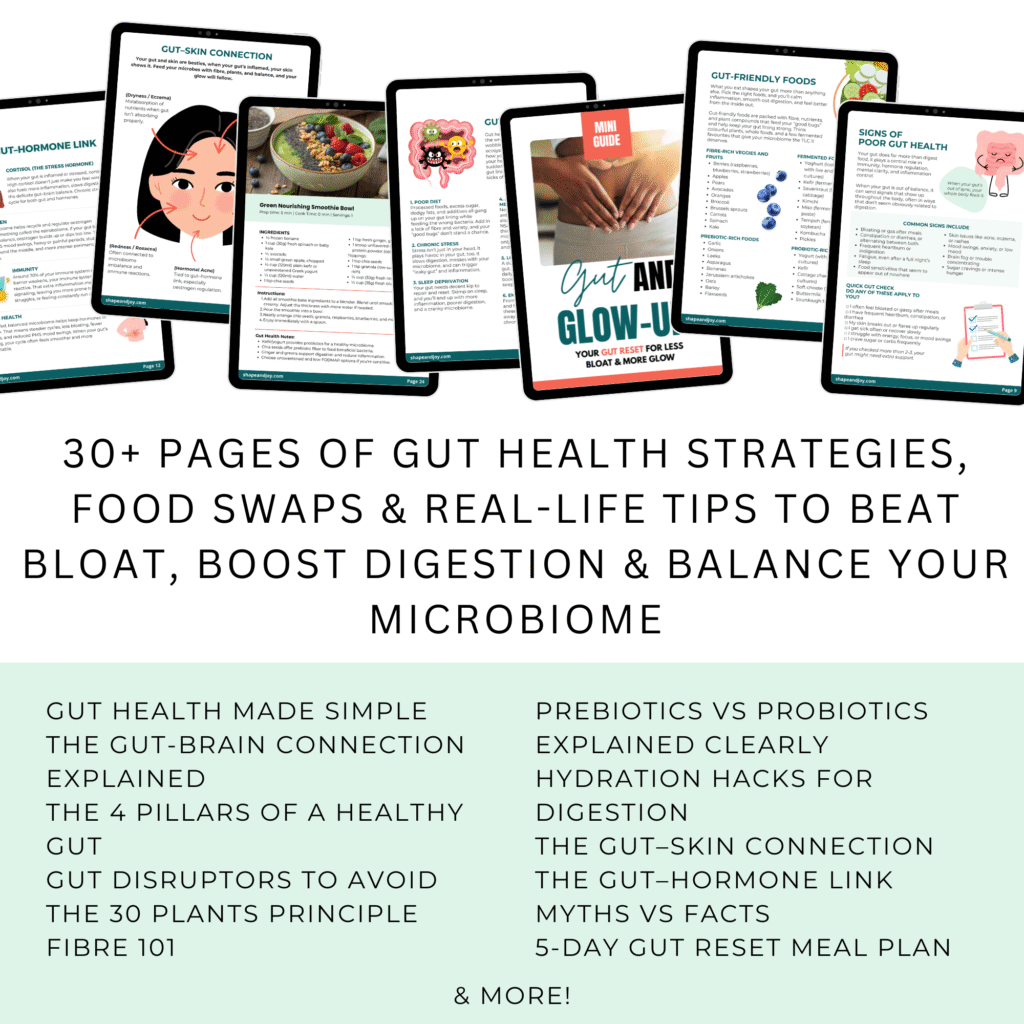
Inside, you’ll get:
- Gut health made simple (without the confusing jargon)
- The 4 pillars of a healthy gut (and how to put them into practice)
- Fibre, prebiotics & probiotics explained clearly (plus easy food swaps)
- Gut disruptors & myths debunked (so you know what really matters)
- The gut–skin & gut–hormone links (and how to get them back on track)
- A 5-Day Gut Reset Meal Plan with simple, gut-friendly recipes
Whether you’re brand new to gut health or just need a reset, this guide takes away the guesswork and gives you simple steps you can actually stick to.
Read These Next
- High-Fiber Recipes That Actually Taste Amazing: 20 Easy Meals for Busy Weeknights
- Eating More Fiber Without the Bloat: The Gentle High-Fiber Guide for Sensitive Stomachs
- The 7-Day High-Fiber Meal Plan for Weight Loss, Energy & Gut Health
- 70 High Fiber Foods: The Ultimate List of Fiber Rich Foods for Easy, Filling Meals
Conclusion
Boosting your fiber doesn’t need to feel like a battle with your own stomach. With slow changes, smart swaps, and foods that genuinely taste good, you can build meals that support your gut, energy, and fullness without the dreaded bloat.
Keep it simple, stay consistent, and trust your gut, literally.
Next Steps
“Small steps make the biggest shifts, especially in the kitchen.”
Read This Next: High-Fiber Recipes That Actually Taste Amazing: 20 Easy Meals for Busy Weeknights
📌 Pin this for later! ⬇