This post may contain affiliate links, which means that I may earn a commission if you click on the link, with no cost for you. It’s one of the ways I support my blog. You can read more about this here.

A minimally processed foods list can feel like the missing piece you didn’t know you needed. One minute you’re told to “avoid processed foods,” and the next you’re in the supermarket staring at aisles like it’s a cryptic crossword.
Overwhelming, right? If eating well has started to feel more confusing than helpful, don’t beat yourself up, the advice has been all over the shop.
In this post, I’m here to clear the fog. We’ll break down what minimally processed actually means, show examples of healthy processed foods that still count as real food, and explain how this fits into a realistic whole food diet without sliding into a rigid no processed food diet.
You’ll learn how to use a minimally processed foods list as a guide, not a rulebook, so eating non processed foods feels doable, not daunting.
Now, kettle on, let’s get clear on what still counts as real food.
- What Does “Minimally Processed” Actually Mean?
- Why Processing Doesn’t Automatically Make Food Unhealthy
- Minimally Processed Foods vs Ultra-Processed Foods
- Common Foods People Worry About (But Don’t Need To)
- How Minimally Processed Foods Fit Into a Whole Food Diet
- How to Use a Minimally Processed Foods List in Real Life
- Conclusion
What Does “Minimally Processed” Actually Mean?
Let’s start with the basics. Minimally processed foods are those that have been changed just enough to make them safe, edible or convenient, without stripping away their original structure or nutrition.
Washing, chopping, freezing, cooking, fermenting, or pasteurising all count as normal processing. Humans have literally been doing this for millennia. We’re not meant to gnaw on raw grains and expect miracles.
This means many foods you already eat belong on a minimally processed foods list because they still resemble their original form and deliver real nourishment. The difference between these and ultra-processed foods is huge, but we’ll get to that in a bit.
Why Processing Doesn’t Automatically Make Food Unhealthy
Here’s the truth: processing isn’t the enemy.
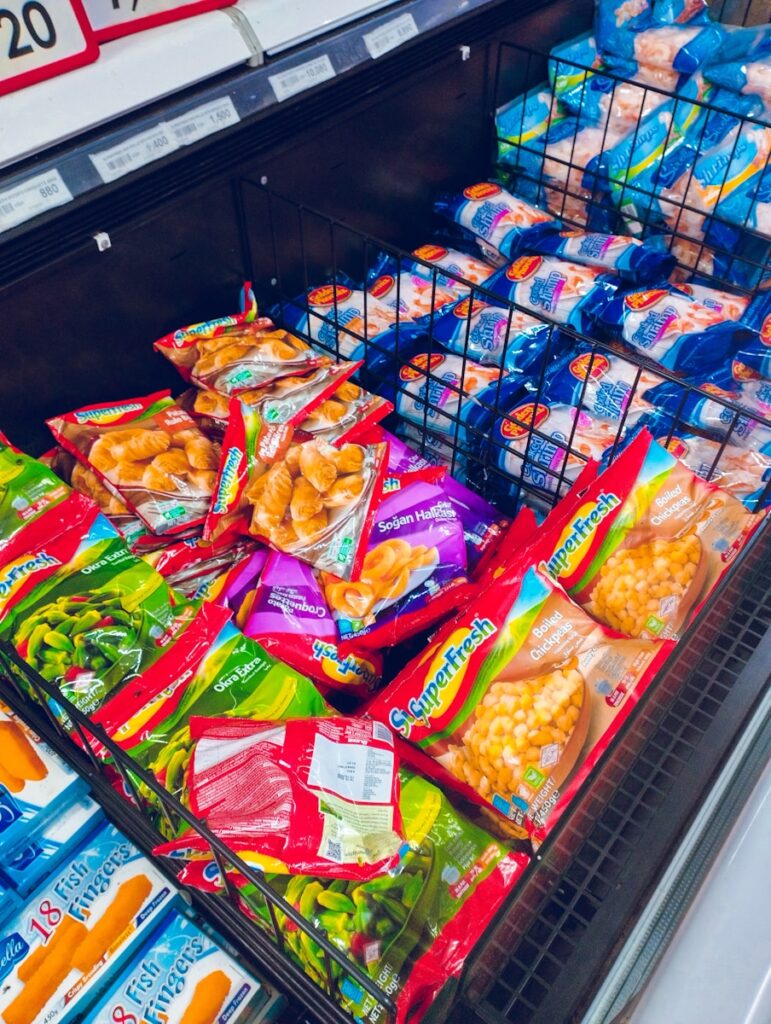
In fact, some processing makes food better. Freezing locks in nutrients, cooking makes food safer and more digestible, and fermenting can support your gut health. Even milling grains or pressing oils has been part of human diets for centuries.
The trouble starts when people lump all processed foods together and assume every item with a label is bad. That’s what leads many down a perfectionist no processed food diet mindset, which sounds virtuous but often ends in frustration.
Instead of demonising every bit of processing, focus on healthy processed foods, items that nourish you, keep you full and support your energy without unnecessary additives. This approach makes food feel like the helpful tool it’s meant to be.
📌 Pin this for later! ⬇
Minimally Processed Foods vs Ultra-Processed Foods
Minimally processed foods still look like, and act like, what they started as: fruit, veg, beans, whole grains, dairy in simple forms, and so on. Ultra-processed foods, on the other hand, are engineered for hyper-palate appeal, cheap, easy to overeat, and often low in nutrients.
If you want a deeper dive into why ultra-processed foods are so addictive and how they affect behaviour and hunger cues, Ultra Processed People: Why We Can’t Stop Eating Food That Isn’t Food is a must-read. It’ll give you context and empathy for your own choices, not judgement.


Understanding this difference makes eating non processed foods feel less overwhelming. Rather than avoiding everything with a label, you’re choosing foods that support fullness, energy and consistency, which is exactly the goal of a sustainable whole food diet.
Common Foods People Worry About (But Don’t Need To)
Here’s where many people trip up, and honestly, I’ve been there too. Foods with labels suddenly feel suspicious, even when they’re doing you a favour.
On a minimally processed foods list, you’ll often find:
- Frozen vegetables and fruit (nutrient locks!)
- Tinned beans, lentils and chickpeas
- Plain yoghurt and cottage cheese
- Simple wholemeal or wholegrain bread
- Cheese and other fermented foods
- Olive oil and nut butters with no added sugar
- Plain oats and whole grains
Many of these are lumped unfairly into “processed” buckets when, in reality, they’re convenient allies in eating non processed foods without making life harder.
This is also why so many people find success with practical, structured approaches like Unprocess: The 30-Day Challenge: Reclaim Your Health with 90 UPF-Free Recipes, it helps you build confidence and momentum without the guilt or the food freak-out.
How Minimally Processed Foods Fit Into a Whole Food Diet
A whole food diet doesn’t demand you live like a foodie monk who cooks everything from scratch. It’s about patterns.
If most of your meals come from whole or minimally processed foods, you’re in a great place. Some meals might not, and that’s okay.
A minimally processed foods list helps you build meals that are filling and nourishing, not anxiety-inducing. It gives structure without suffocating you with rules.
This also makes it easier to move past a strict no processed food diet mentality, because life happens, social events happen, and aiming for perfection usually backfires by midweek.
How to Use a Minimally Processed Foods List in Real Life
Here’s the practical bit. Instead of asking, “Is this allowed?” try asking:
- Does this food still resemble what it started as?
- Does it help me feel satisfied for longer?
- Can I enjoy this without spiralling into food guilt?
If the answer tends to be “yes,” it probably belongs on your minimally processed foods list.
When you focus on patterns, not policing, food starts feeling supportive again.
Also, if you want more meal inspiration that fits this real-life style, The Unprocessed Plate: Simple, Flavorful UPF-free Recipes to Transform Your Life delivers delicious, practical ways to eat unprocessed and minimally processed foods without faff or food fear.
Read These Next
- Whole Food Diet: What Unprocessed & Non-Processed Foods Really Mean
- Whole Food Grocery List: How to Shop With Fewer Processed Foods
- How to Avoid Processed Foods Without Overhauling Your Entire Diet
Conclusion
A Minimally Processed Foods List isn’t about punishment or purity. It’s about clarity, nourishment and confidence.
When you understand what still counts as real food, you stop overthinking and start eating in a way that feels good, without losing your life in the process. Keep it flexible, keep it real, and let steady choices build your success.
Next Steps
“Progress happens when food supports your life, not when it runs it.”
Read This Next: Whole Food Grocery List: How to Shop With Fewer Processed Foods
📌 Pin this for later! ⬇